
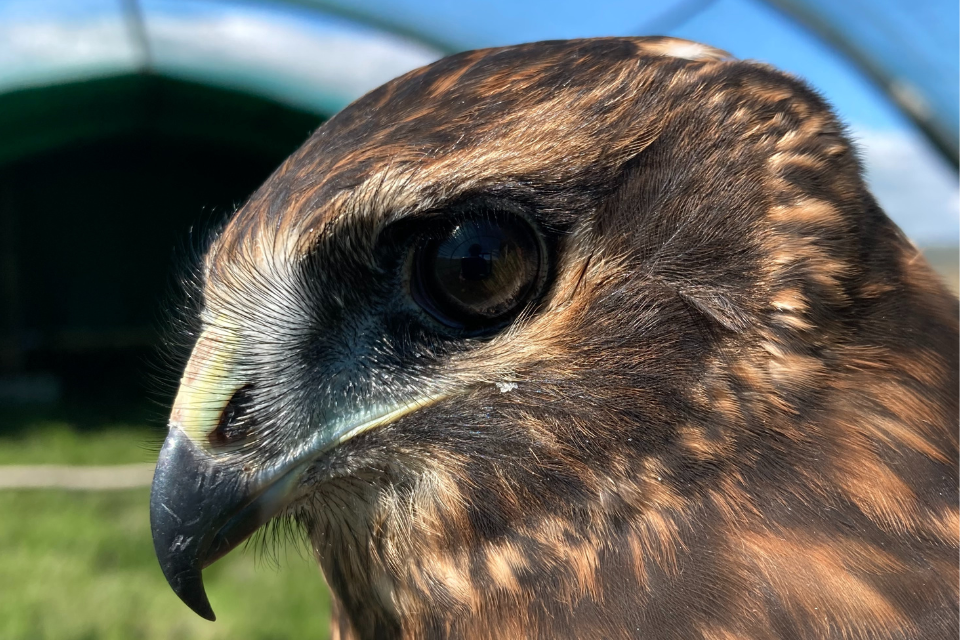
Partners must continue to work to tackle illegal persecution to achieve a widespread recovery of the birds
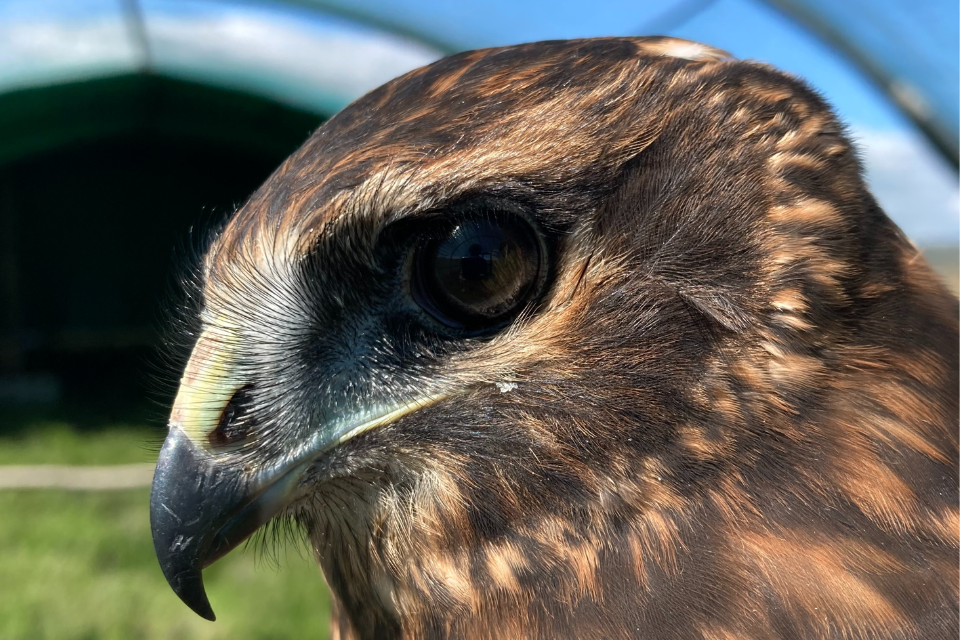
Natural England and partners, including the RSPB, have recorded 119 hen harrier chicks fledging successfully from nests across uplands in County Durham, Cumbria, Lancashire, Northumberland and Yorkshire in 2022 – a record number.
This was the first time in over 100 years that more than 100 hen harriers were added to the English population, showing real progress in efforts to protect and restore their numbers.
Hen harriers were once found across upland and lowland Britain including throughout many English counties. However after 1830 they became exceptionally rare breeding birds in England due to persecution, which was made illegal in the 1954 but continues in some places today. The hen harrier now is one of England’s rarest breeding birds of prey.
Hen harriers are one of our most distinctive birds with a characteristic owl-like face and stiff facial feathers that direct sound toward their ears to enable them to hunt more effectively.
Natural England chair Tony Juniper said:
This is the sixth successive year of increases, following a low in 2016 when only eight chicks fledged. There were 49 nests recorded in 2022, of which 34 were successful in producing chicks. Lancashire remained a stronghold, with 18 nests recorded in Bowland, and there was also a cluster of territories in Northumberland (nine nests). There were 10 nests across the Yorkshire Dales & Nidderdale region, seven in the North Pennines, and five in the Peak District. This represents an encouraging increase in numbers across their range compared with the recent past, when only a few pairs nested each year, mostly in Bowland.
The total number of chicks includes 13 birds taken from four nests on grouse moors, reared and released as part of the Brood Management Trial. This aims to test whether this technique can influence attitudes among the moorland community and reduce persecution, as well as contributing healthy adult birds to the population. Brood-managed birds from previous years also bred successfully, with five birds producing 10 chicks between them in 2022.
Natural England is involved in a number of initiatives to help ensure hen harriers recover including through the Hen Harrier Action Plan published by Defra in 2016.
These include:
The hen harrier is considered vulnerable within Europe and is on the red-list of birds of conservation concern in the UK. It is a species of principal importance for biodiversity conservation in England.
Further Information