
Nuclear waste reaches the end of the line, making it safer, sooner
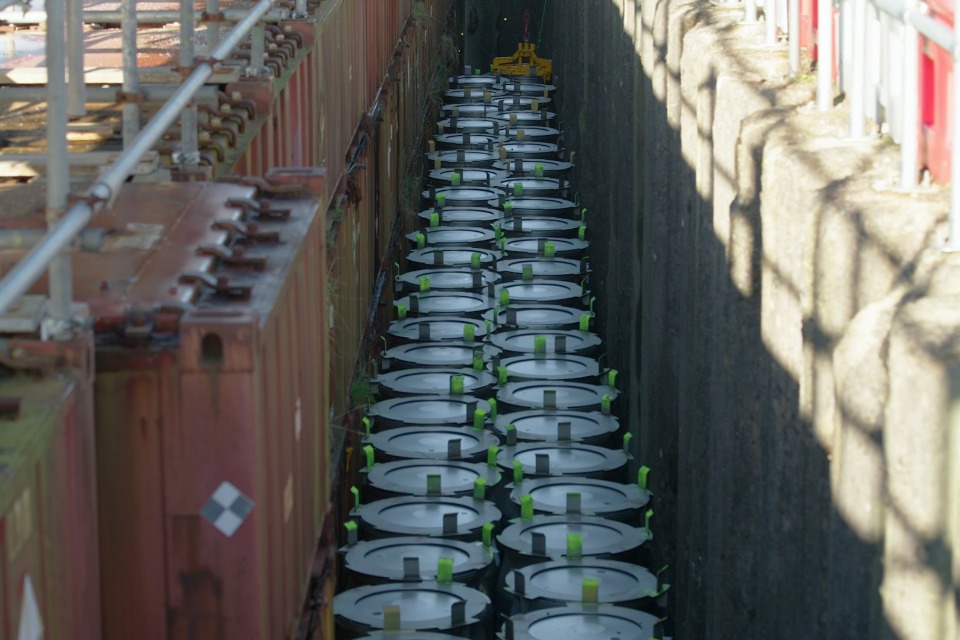
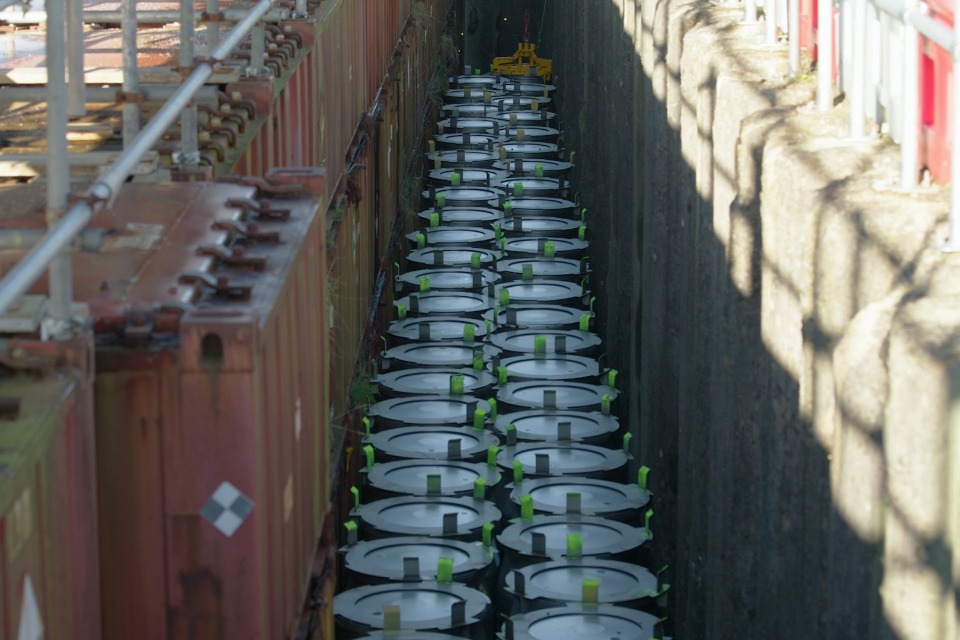
A major collaboration between Nuclear Waste Services (NWS), Nuclear Restoration Services (NRS) and Nuclear Transport Solutions (NTS) to safely and efficiently manage, and permanently dispose of more than 1,000 drums of waste, has completed earlier than expected.
The innovative project was an accumulation of eight years’ work and has seen eleven consignments, of low level radioactive waste, transported by rail from the NRS site at Winfrith, Dorset, to the Low Level Waste Repository in Cumbria for final disposal.
The initiative was a successful collaboration with Nuclear Waste Services, Nuclear Restoration Services and Nuclear Transport Solutions working together to safely and efficiently dispose of the drums.
All organisations involved are part of the NDA group, which is responsible, on behalf of government, with the mission to clean-up the UK’s earliest nuclear sites safely, securely and cost effectively.
The waste originated from the Steam Generating Heavy Water Reactor at Winfrith, which shut down in 1990. The drums were initially characterised as Intermediate Level Waste and put in interim storage in the Treated Radwaste Store (TRS) at Winfrith. However, after a period of time resulting in significant radioactive decay, and further detailed technical analysis by NWS, the waste was re-characterised as low level waste. This allowed them to be disposed of at the Low Level Waste Repository, to make the waste permanently safe, sooner.
The drums have been disposed of utilising void space in Vault 8, optimising the use of the Repository, and freeing up the Winfrith facility for alternative use or decommissioning. Final disposal of this waste has also removed the requirement for long-term storage saving money for the UK taxpayer.
The initiative also made significant carbon emissions savings by safely transporting the waste sustainably by rail instead of road after using innovative solutions to adapt the containers for rail transportation.
Laura Street, Winfrith and Harwell Head of Waste, Nuclear Restoration Services, commented:
Howard Falconer, Head of Waste Services, Nuclear Waste Services, said:
Seth Kybird, NTS CEO added:
Project Stats
1068 drums diverted from the GDF
830 tonnes of CO2 avoided by disposing in Vault 8 versus Vault 9
Avoids the need for 2,250m3 of encapsulation grout
Avoids 107 waste containers being created
7,502kg of carbon emissions saved by transporting via rail over road, for each shipment (the equivalent to a flight from LHR to Sydney)
550m3 of clean void infill material avoided
About the Sites
The Low Level Waste Repository in Cumbria is the UK’s primary LLW disposal facility. This nuclear licensed site enables the safe, secure, and environmentally compliant effective management and disposal of the UK’s radioactive low level waste.
In the last decade low level and intermediate level waste has been dealt with more sustainably. Alternative options such as re-use, recycling, decontamination, incineration, and specialised landfill, (for waste with the very lowest levels of radioactivity), are now preferred with disposal seen as a last resort.
The NRS Winfrith site is located on an 84-hectare site in Dorset. It was a centre for nuclear research and development to enable vital research into reactor design. There have been nine experimental reactors on the site at various times, with only two remaining today; the Steam Generating Heavy Water Reactor (SGHWR) and Dragon, both of which are being decommissioned. NRS are working on delivering the Winfrith site to heathland with public access.