
Expansion of Clink Kitchens Scheme to help thousands of offenders find jobs and turn their backs on crime
Thousands of offenders will be steered away from a life of crime thanks to the roll-out of The Clink training kitchen scheme to 25 jails by the end of the year, Prisons Minister Alex Chalk has announced.
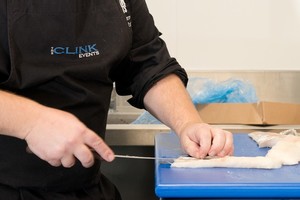
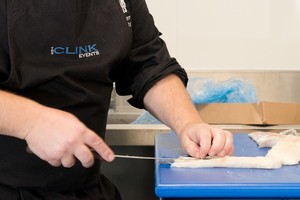
Already running at eight prisons including HMPs Bristol, Downview, and Styal, the programme sees prisoners train in professionally-run prison kitchens for up to 35 hours a week – preparing and cooking thousands of meals daily – while simultaneously working towards professional qualifications which will help them find employment on the outside.
The Clink has already helped over 2,500 offenders into stable and secure jobs since launching just over a decade ago through their training initiatives, with the expansion announced today expected to support a further 2,000 prisoners into employment.
In 2019 alone, The Clink trained up over 440 prisoners – a total of 330,000 training hours – with over 280 employers across the country taking on Clink graduates upon release from prison.
Research shows that ex-offenders in work are more likely to turn their backs on crime for good, with prisoners who have taken part in The Clink’s training scheme almost a third less likely to go on to commit further offences – reducing the £18 billion a year cost of reoffending and keeping communities safe.
Prisons Minister, Alex Chalk, said:
The Clink Chief Executive, Christopher Moore, said:
The partnership with The Clink Charity is one of many government schemes aimed at supporting offenders into employment with the ultimate aim of cutting crime. Other initiatives include work placements for dozens of offenders during the construction of HMP Five Wells (Northamptonshire) and the new prison in Glen Parva (Leicestershire).
Boosting access to work and safe accommodation for prison leavers will also help build back safer communities by cutting crime and reducing reoffending.
Notes to Editors