
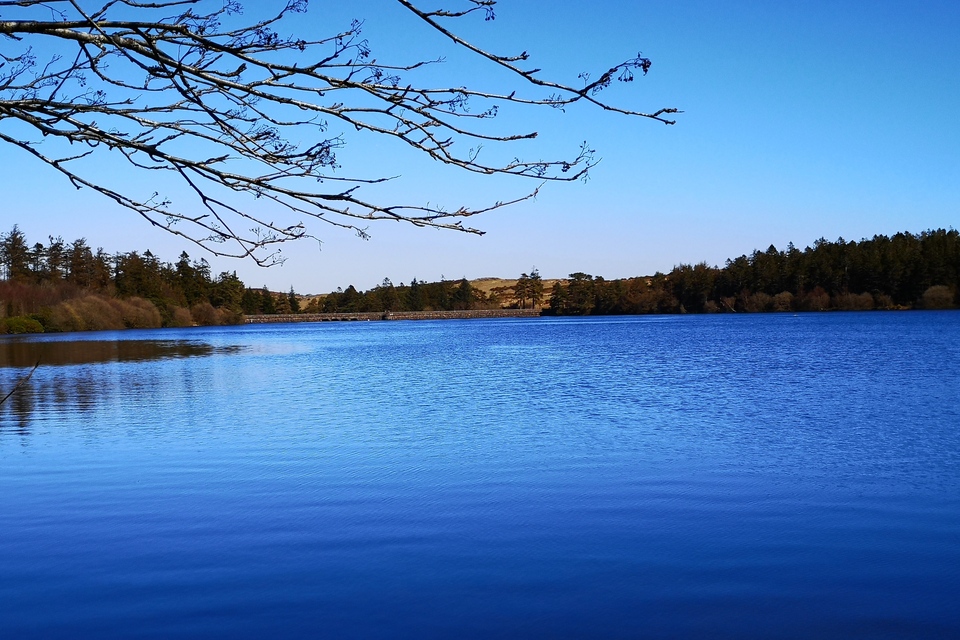
The Environment Secretary visited Havant Thicket reservoir in Hampshire yesterday (Thursday 3 September), overseeing the latest steps to deliver a water-resilient future, as the National Drought Group reported continued low rainfall in August.
The government inherited a water system that had not seen a new reservoir built for over 30 years. The current system has failed, and action is now being taken to overhaul the water sector, putting consumers first while building resilience against the backdrop of the ongoing drought.
England is experiencing its third drought in five years, with over 30 million people currently under water restrictions. The National Drought Group met yesterday, chaired by Minister Hardy. The chairing of the group alternates between Environment Agency officials and Defra ministers. The meeting is held weekly to coordinate the national response, including monitoring reservoir levels, agreeing drought actions with water companies, and supporting affected farmers.
Environment Secretary, Dame Angela Eagle, said:
The water industry hasn’t been working in the public interest for far too long. It has failed consumers, and left the country exposed as our climate changes and extreme weather becomes more frequent.
That’s why we’re fixing the system so families aren’t left footing the bill for decades of underinvestment.
We’re not waiting for the next drought before we act. We’re building a water system fit for the future, starting now.
Director of Water at the Environment Agency, Helen Wakeham, said:
A few days of recent rain does not make up for an exceptionally dry summer, and we have a very long way to go before the drought is considered over. Groundwater levels and reservoir storage continue to decline and will take many months to recover from this summer’s record heat and dry conditions.
We heard this week about the impacts of drought on our environment now, but we will be seeing the effects on bird populations, fish stocks, and wider ecosystems for years to come.
In the long-term, new infrastructure such as reservoirs will help but we also need measures to reduce demand, cut leakage, and support nature to make our rivers more resilient.
As we enter Autumn, we are still asking for everyone’s help in using a little less water. Every drop we save speeds up drought recovery and means more water for farmers, the environment, and our wildlife.
Bob Taylor, CEO of Portsmouth Water, said:
Following a second summer in a row of record-breaking heat, the challenges of drought have come sharply into focus for many people, in a way not seen since the drought of 1976.
New, sustainable sources of water are essential for building resilience to drought, particularly here in the severely water-stressed South East. That’s why we’re proud to be building Havant Thicket Reservoir, the first new major reservoir to be built in the UK for more than 30 years. The reservoir will play a vital role in protecting two of Hampshire’s precious chalk rivers.
We were delighted to show the Secretary of State the excellent progress we have made on site since the big build phase of construction started last Spring.
Britain’s climate is changing, and our water system hasn’t kept pace. Without action, England faces a shortfall of 5 billion litres of water a day by 2055, a third more than we currently use for public supply.
Havant Thicket is one of the new reservoirs the government is backing to secure water supplies for the future. Once complete, it will provide an additional 21 million litres of water a day. Together, Havant Thicket, the pipeline of nine new reservoirs and water transfer schemes is expected to add around 700 million litres of water a day by 2050 – essential to manage the risks of climate change and future extreme weather.
The government has already provided £65 million in support to farmers affected by the dry conditions, and is working with water companies to build new reservoirs and ensure resources are managed effectively.
Since taking office, this government have moved to fix this through a series of reforms, including:
- Putting pressure on water companies to cut leaks by 17% over the next five years, the lowest leakage rate since privatisation, reducing the amount consumers pay for water that never even reaches their taps.
- Securing £104 billion of private investment, the largest in water infrastructure since privatisation, to fix crumbling pipes and build the infrastructure the country needs.
- Building nine new reservoirs, including Havant Thicket, to secure supplies for the long term and reduce the risk of future restrictions.
- Introducing smart meters and water efficiency labelling so households can see where they are wasting water and save money on their bills.
- Creating a powerful new regulator with real teeth to end fragmented oversight and hold water companies to account on behalf of consumers.
Notes to Editors
- 71.3% of England is currently in drought; over 30 million people are under water use restrictions. There have been no drought status changes this week.
- July 2026 was the driest July in 190 years; Summer 2026 has been declared England’s hottest on record.
- July and August were dry months with 10% and 78% of rainfall respectively. There are also large geographical differences. In July, the south east received 3% of average rainfall and 54% in August.
- The recent dry weather has had a marked impact on soil moisture. A sustained period of rainfall is needed first to replenish soil stores of water before we are likely to see the onset of groundwater recharge.
- The recent intense rainfall has resulted in surface water flooding – as rain fell on hard soils.
- Rivers have responded to the recent rain. Some 22% of sites are now notably low or lower. 47% are below normal or lower.
- Reservoir storage is 58% – a fall of 1.8% in the last week and 19.2% below the long-term average for this time of year.
- There have been three droughts in the past five years: 2022, 2025 and 2026
- Nine new reservoirs are planned, in addition to Havant Thicket, expected to deliver around 700 million litres of extra water a day by 2050.
- Without action, England could face a shortfall of 5 billion litres of water a day in public water supply by 2055.
- It will take sustained rainfall over an extended period before the overall drought position materially improves and we must continue to manage our demand for water.
- National Drought Group members are proud supporters of the Let’s Save Water campaign.