
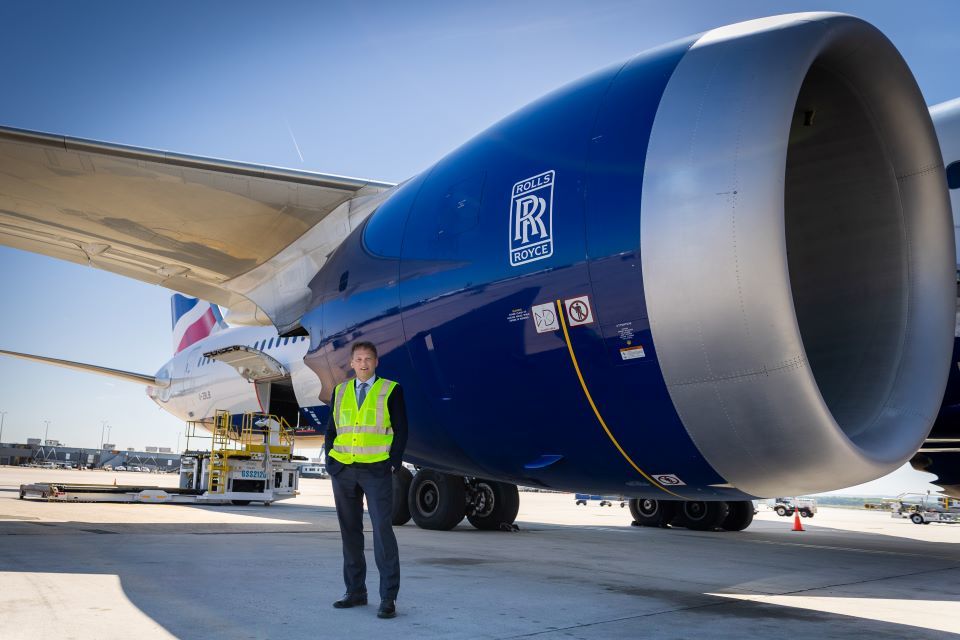
Secretary of State for Transport announces plans for a net zero transatlantic flight while in US
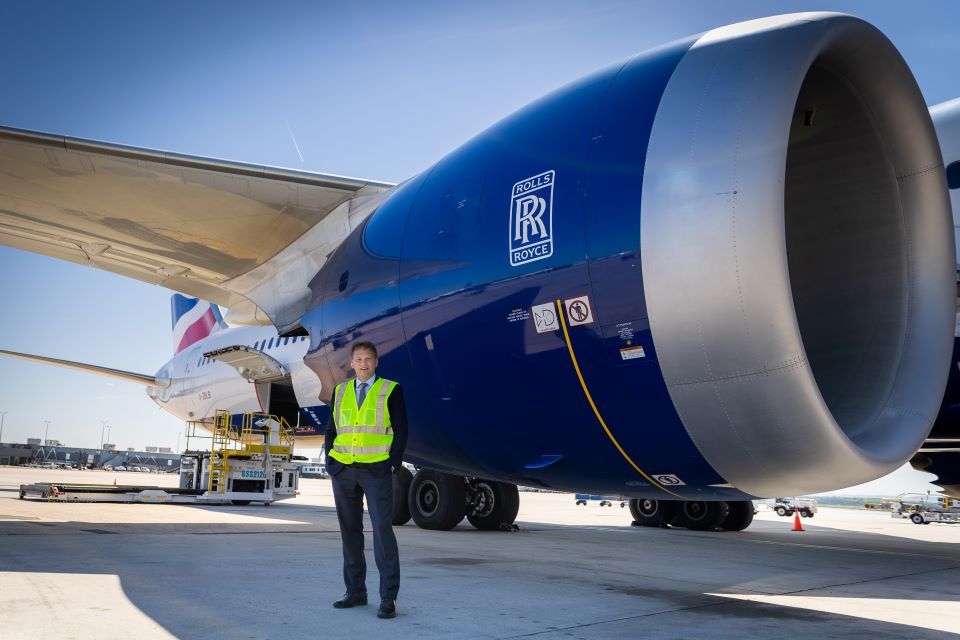
World’s first net-zero emissions transatlantic flight could be delivered by the UK government and industry as early as next year, ushering in a new era of guilt-free flying in the coming decades.
The pioneering flight, on an aircraft powered by 100% sustainable aviation fuel, is expected to take off in 2023.
Transport Secretary Grant Shapps announced the ambitious challenge to industry during his visit to the US.
Meeting with airline executives, he invited the international sector to work closely with the UK government to deliver the demonstrator flight in 2023, paving the way for flights on the transatlantic route, and many more, to be powered solely by low-carbon fuel.
Enter the Net zero transatlantic flight fund competition.
The announcement today (14 May 2022) underlines the government’s commitment to drive forward the sustainable aviation fuel industry, which has the potential to deliver significant carbon savings, improve domestic fuel security, support thousands of green jobs and put flying on a more sustainable path.
Industry estimates suggest that a UK sustainable aviation fuel industry could support up to 5,200 UK jobs directly, as well as a further 13,600 through global exports – helping to level up the UK and boost the economy. The industry estimates its annual turnover could reach £2.3 billion by 2040.
The new initiative has come out of the Jet Zero Council, a partnership between industry and government that aims to deliver new technologies and innovative ways to cut aviation emissions while supporting the UK economy.
Today’s announcement is an important part of plans to reduce emissions from aviation to net zero. Currently one of the highest single emitters of greenhouse gases, aviation is one of our biggest challenges when it comes to making transport green, but the investment and innovations such as SAF are there to make guilt-free flying a reality.
The fuel, made from waste materials, such as household waste or used cooking oil, offers greenhouse gas emissions savings of more than 70% compared to conventional fossil jet fuel when fully replacing kerosene. When combined with greenhouse gas removals, 100% SAF will enable the delivery of a net zero flight.
Transport Secretary Grant Shapps said:
Current jet fuel specifications do not allow flights to use 100% SAF, meaning SAF use needs to be complemented by additional decarbonisation measures to be fully net zero. The government is committed to accelerating the testing and approval of 100% SAF to unlock the full decarbonisation potential of this technology.
Delivering the transatlantic flight announced today would help to gather the data needed to support ongoing and future work to test and certify sustainable aviation fuel while exploring how engine efficiency improvements, flight optimisation and greenhouse gas removals can contribute to achieving net-zero flights.
Tim Alderslade, chief executive of Airlines UK, said:
Warren East, CEO of Rolls-Royce plc, said:
Jennifer Holmgren, CEO of LanzaTech, said:
Indro Mukerjee, CEO of Innovate UK, which is running the competition with the Department for Transport, said:
Fuel specifications are not the only barrier preventing a higher uptake of SAF. High fuel production costs, technology risk at commercial scale and feedstocks availability are some of the challenges that government and industry are jointly working to overcome in order to build a thriving domestic SAF sector.
To do so, the government is exploring a SAF mandate and is supporting the UK SAF industry with £180 million of funding over the next 3 years, aiming to accelerate the commercialisation of SAF plants and the establishment of a fuel testing clearing house in the UK, as announced in the Net Zero Strategy.
This support will build on the progress made through previous advanced fuels grant funding programmes, such as the £15 million Green Fuels, Green Skies grant funding competition.
In addition to the £180 million funding, £400 million of funding is being made available through a government partnership with Breakthrough Energy Catalyst to drive private sector investment into the next generation of green technologies, through which UK SAF projects may seek additional capital.