
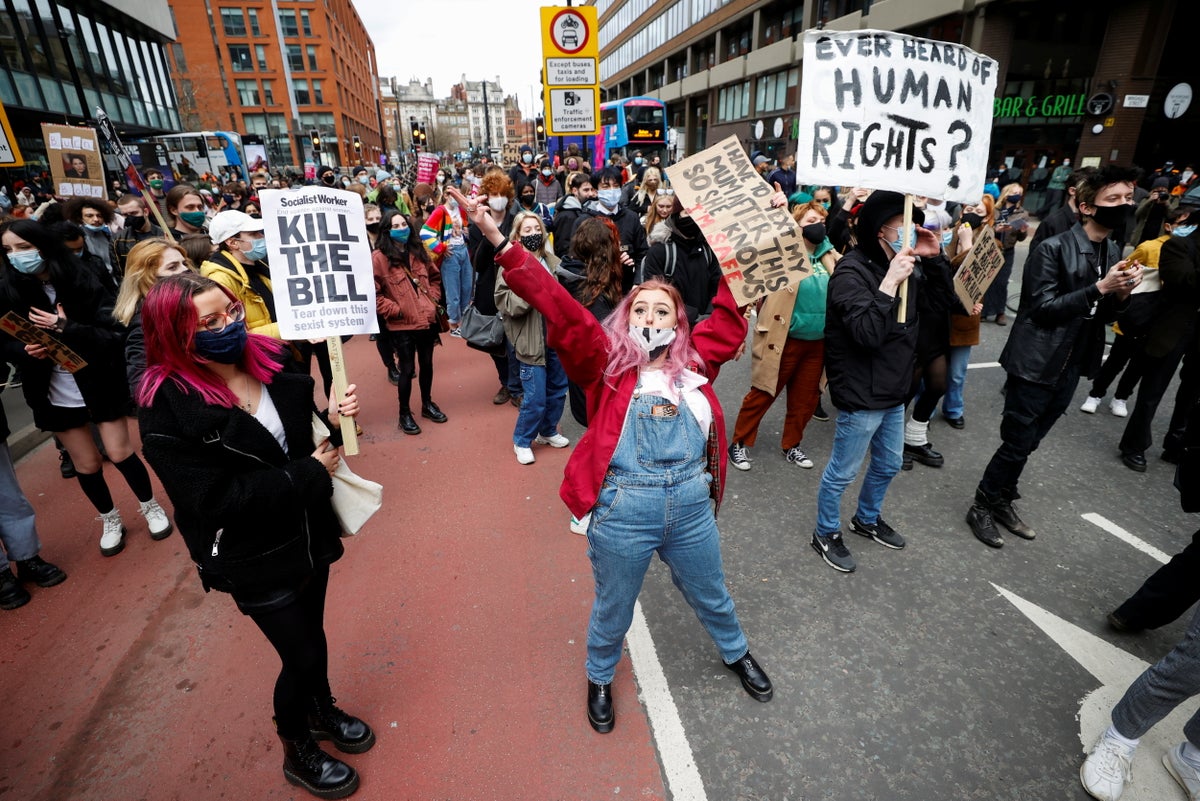
An amendment to the PCSC Bill would give the police the power to stop and search people to seize items intended to cause serious disruption by ‘locking-on’
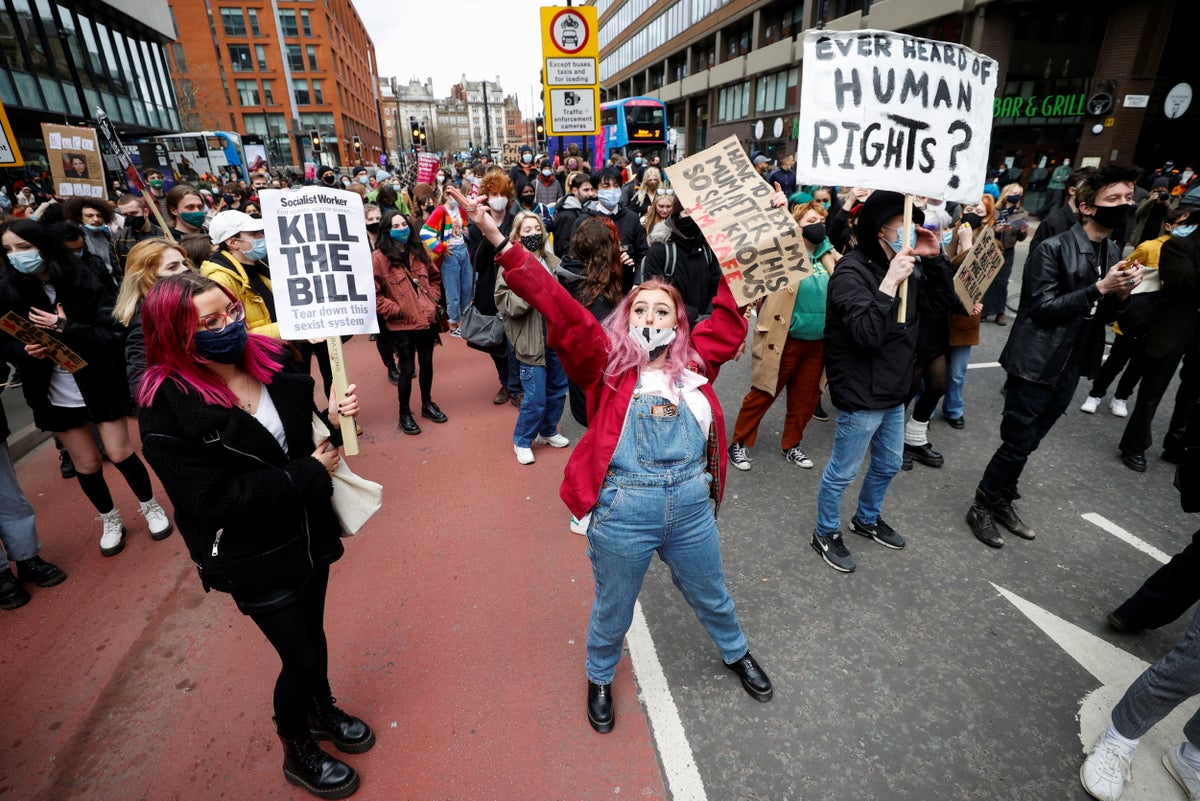
Crucial new powers to prevent the significant disruption caused by protesters determined to lock or glue themselves onto structures will be brought back to Parliament this week.
An amendment to the Police, Crime, Sentencing and Courts Bill will be re-tabled on Wednesday 1 December which would give the police the power to stop and search people in order to seize items intended to cause serious disruption by ‘locking-on’ – where there is reasonable suspicion. This could include equipment such as chains, glue and bamboo scaffolding structures.
The measure has been informed by the experiences of policing in response to the deployment of lock-ons in protest. Use of this disruptive and dangerous tactic has risen in recent years – including on some of the UK’s busiest and most dangerous motorways.
It has led to massive disruption on major roads in and around the capital, preventing people from getting to work or crucial hospital appointments, also resulting in a significant drain on police resources, due to the time it takes to remove complex lock-ons safely.
In support of the government’s proposals to stop and search for lock-on equipment where there is reasonable suspicion, Metropolitan Police Service Deputy Commissioner, Sir Steve House, said:
Home Secretary Priti Patel said:
The government also intends to make the act of locking-on to cause serious disruption a criminal offence, which could see someone jailed for up to six months and faced with an unlimited fine.
Another government amendment will mean that blocking a motorway would meet the same punishment. The current law for this offence sets the penalty at a maximum fine of just £1,000 and is not an adequate deterrent for organisations determined to cause widespread disruption and break the law.
And Serious Disruption Prevention Orders will be brought in to tackle protesters who are determined to repeatedly cause disruption to the public. These will give the courts the power to impose orders on those with protest related convictions or a history of causing serious disruptions at protests in order to prevent them from continuing to commit such acts.