
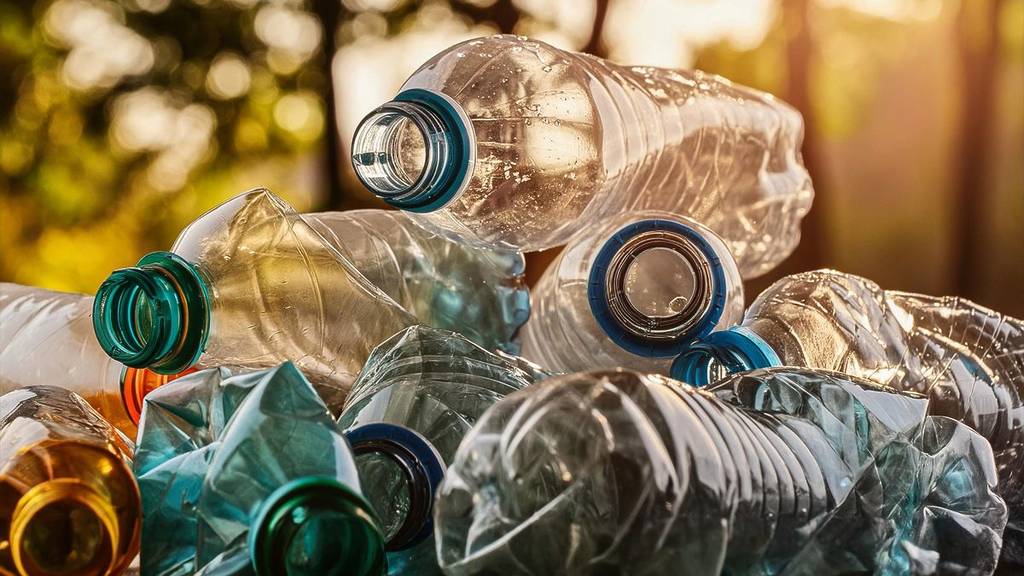
Introduction of deposit return scheme will be a step forward in ending the throwaway society and cleaning up Britain
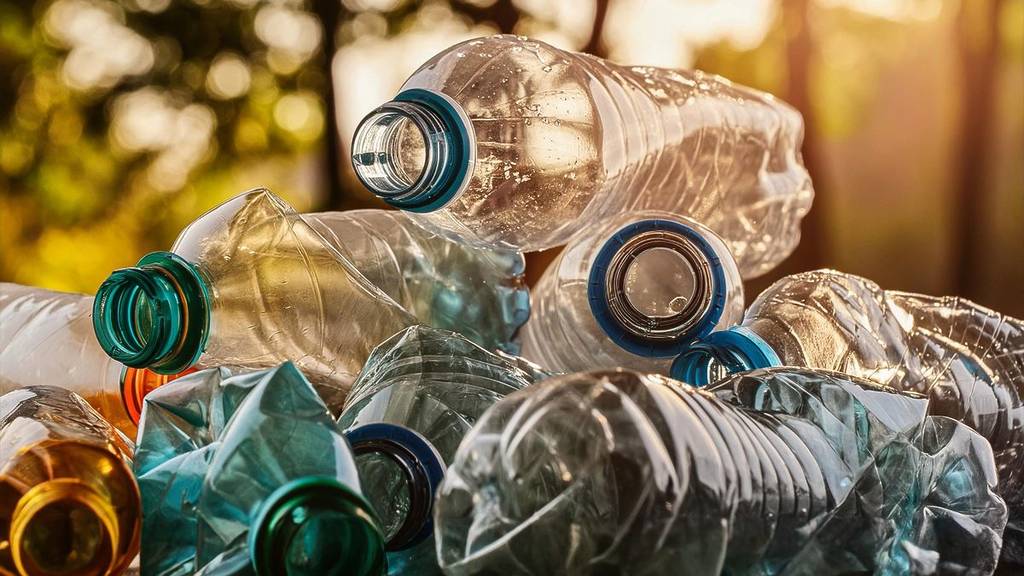
The Government has today (Monday 27 January) pledged to end the throwaway society and clean up Britain, as it implements legislation for the deposit return scheme for drinks containers in England and Northern Ireland.
Once the scheme launches in October 2027, consumers will have a financial incentive to return empty containers to a collection point, such as at their local supermarket, so that the bottle or can will be recycled.
Used in more than 50 countries worldwide as a common-sense means of encouraging people to recycle more single-use bottles and cans, a DRS sees people being paid back for returning the container.
Countries such as Germany, Sweden and the Republic of Ireland have successfully implemented schemes, ensuring valuable materials are collected, recycled and made back into new drinks containers – a truly circular approach easily grasped by the public. The average return rate for European countries with a DRS is 90%, according to global eNGO Reloop, with Germany showing the best results at 98%.
Introducing such a scheme in England, Northern Ireland and Scotland is a simple yet hugely effective way of addressing problems with rubbish building up on our streets and in our rivers and oceans, while also ensuring the public gets money back on their bottle.
Across England, Northern Ireland and Scotland, consumers buy an estimated 30 billion single-use drinks containers each year – including 12 billion plastic drinks bottles and 13 billion drinks cans. An estimated 6.5 billion single-use drinks bottles and cans per year go to waste rather than being recycled, with many ending up littered. Research from the Marine Conservation Society shows 97% of surveyed beaches were polluted with drinks-related items in 2023.
Encouraging everyone to get involved in recycling, the DRS will be introduced in October 2027, with 150ml to three-litre single-use drinks containers made from plastic and metal included in the scheme.
Delivering these reforms and driving investment in the recycling sector delivers on the Government’s Plan for Change through kickstarting growth, ensuring economic stability, greater efficiency, and jobs fit for the future.
Circular Economy Minister Mary Creagh said:
Northern Ireland’s Agriculture, Environment and Rural Affairs Minister Andrew Muir said:
New legislation for England and Northern Ireland has now come into force, enabling the appointment of the scheme administrator – known as the Deposit Management Organisation – in April 2025. This will be a not-for-profit, industry-led body responsible for the administration and day-to-day running of the scheme.
With Scotland’s own regulations also progressing, this marks a major step forward for the introduction of the scheme across the three nations.
The three governments will ensure the scheme is implemented effectively, working closely with businesses to provide the infrastructure and investment to make it a success.
Allison Ogden-Newton OBE, Chief Executive of environmental charity Keep Britain Tidy, said:
Stephen Moorhouse, Vice President and General Manager of Coca-Cola Europacific Partners GB Business Unit, said:
Association of Convenience Stores chief executive James Lowman said:
Sandy Luk, Chief Executive at the Marine Conservation Society, said:
Hitting this milestone is another big step forward for the Government’s collection and packaging reforms, which together will support 21,000 new jobs and stimulate more than £10 billion of investment in recycling over the next decade.
The action to clean up Britain doesn’t end there – there is more to come as the Government moves to ensure the throwaway society is ended for good.
Legislation has been laid to ban the sale of single-use vapes from 1 June 2025 and prevent the waste of precious resources – eNGO Material Focus estimates almost five million single-use vapes were either littered or thrown away in general waste every week in 2023.
In December 2024, the Government moved to stop recycling rates stagnating and the reliance on the burning of household waste by announcing that new waste incinerators will only receive planning approval if they meet strict new local and environmental conditions.
The Government has also announced that a £15 million government fund will help deliver thousands of tonnes of food from farms which would otherwise go to waste to those who need it most.