
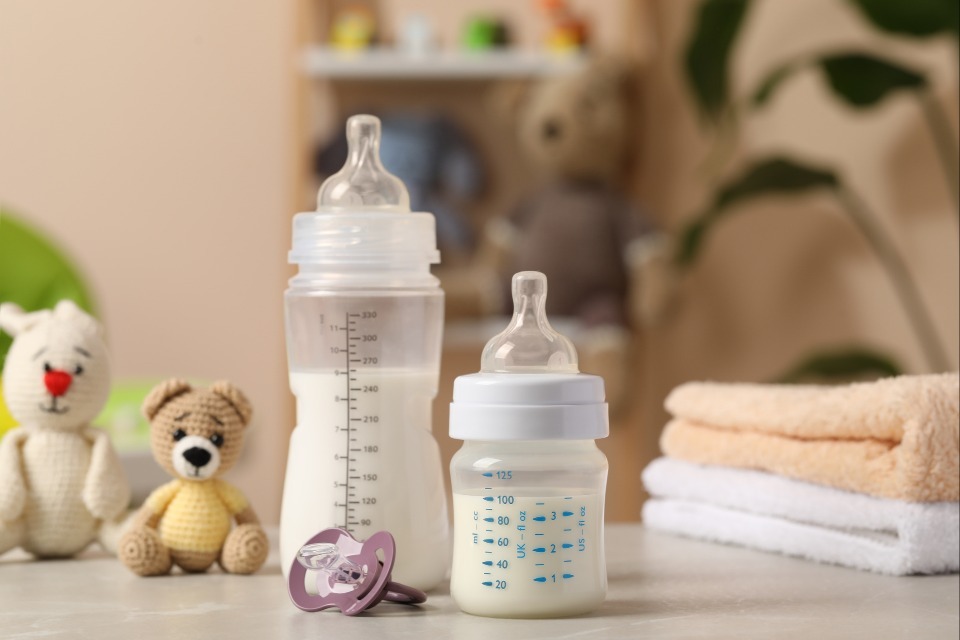
The CMA has set out comprehensive proposals to deliver better outcomes for parents in the infant formula market – both in terms of the choices they make and the prices they pay
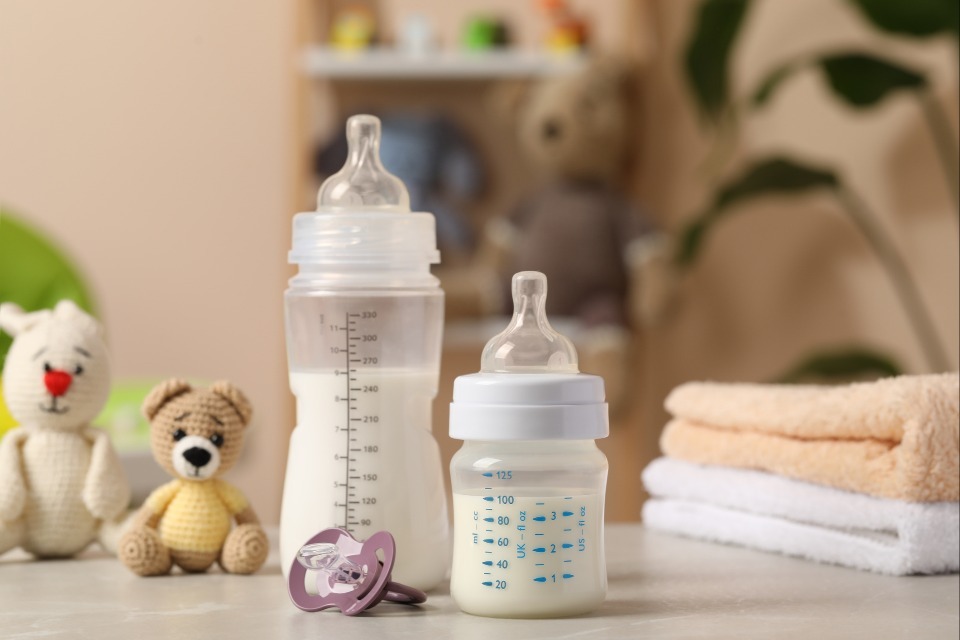
Following a market study into the infant formula and follow-on formula market, the Competition and Markets Authority (CMA) has issued its final recommendations.
Sarah Cardell, Chief Executive of the CMA, said:
CMA Findings
Advertising and labelling of infant formula is strictly regulated. For example, advertisement and promotion, including price reductions or deals, is restricted so as not to discourage breastfeeding.
Many parents choose a brand for the first time in vulnerable circumstances – often in hospital immediately after birth – and frequently without the clear, accurate and impartial information needed to make informed decisions. People often feel under pressure, naturally wanting to do what is best for their baby. Many actively choose a more expensive product, assuming this means better quality. However, NHS advice makes clear “It does not matter which brand you choose, they’ll all meet your baby’s nutritional needs, regardless of price”.
Against this backdrop, rather than competing strongly on price, manufacturers place significant emphasis on building brand awareness to secure customers. For example, some regularly supply the NHS with below cost formula to reach new parents – and once parents have found a brand that works for their baby, they rarely switch.
Regulation states that the labelling and presentation of infant and follow-on formulas should be ‘clearly distinct’. Despite this, manufacturers use similar branding and labelling – including similar colour palettes, fonts and imagery – across infant and follow-on formulas. When combined with large marketing budgets, this approach indirectly supports the sale of infant formula, with CMA evidence indicating that parents are disproportionately influenced by such branding practices (be it in hospitals, online or in store).
The CMA heard concerns that parents on lower incomes are more likely to formula feed so are disproportionately impacted by infant formula pricing. While some government support is available to those eligible, most infant formulas exceed the weekly value of benefits available through schemes such as the Healthy Start and Best Start Food. This can lead to parents foregoing food in order to provide for their babies.
On pricing, differences between brands can have a sizeable impact on parents’ finances. Evidence reviewed by the CMA shows that they could make a saving of around £300 over a baby’s first year of life by switching from a popular mid-priced product to a low-priced brand.
Recommendations
The 4 recommendations from the CMA are:
Public Health Minister, Ashley Dalton, said:
Competition and Markets Minister Justin Madders said:
Next Steps
Recommendations are made to UK, Northern Irish, Scottish and Welsh governments, working in collaboration with other organisations, where appropriate. The CMA will now engage to explain these measures and support their implementation.
For more information on the CMA’s market study, visit the Infant formula and follow-on formula market study.
Notes to Editors