
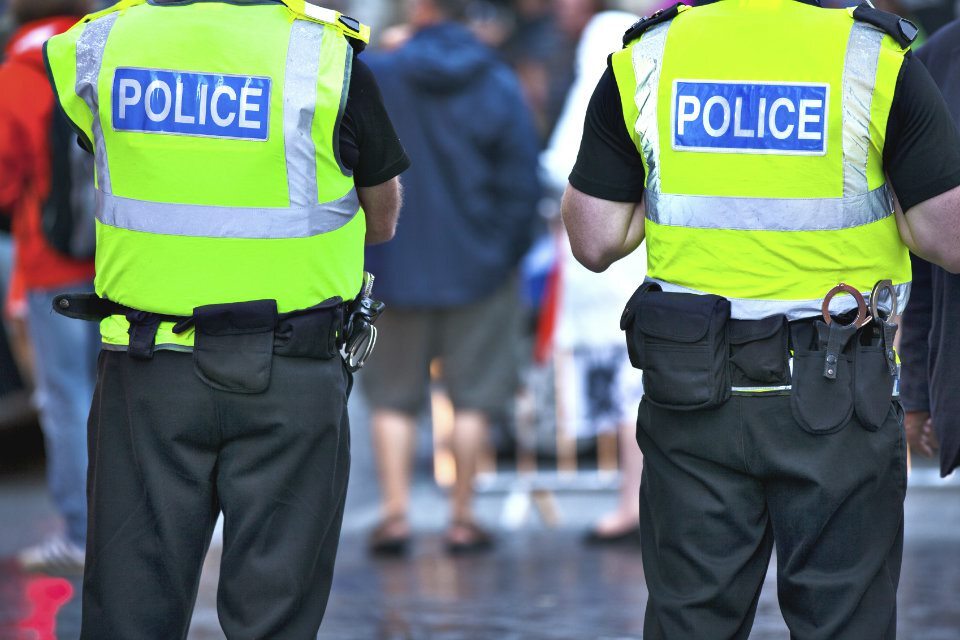
New orders that will prevent individuals from repeatedly causing serious disruption at protests will come into force today
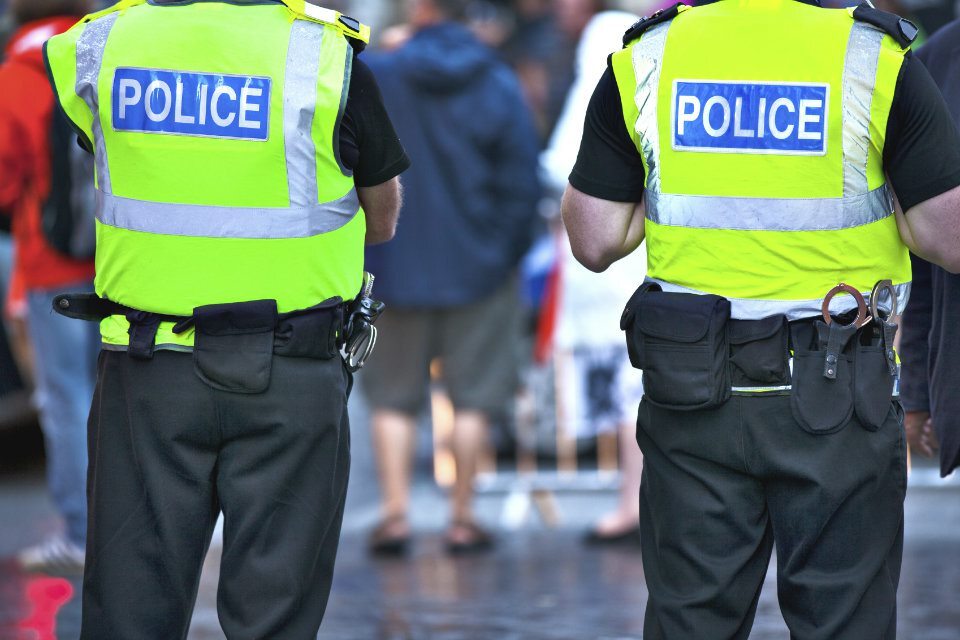
New public order powers to prevent individuals causing repeated serious disruption come into force today, as the government continues with its plan to protect the public from criminality at protests.
Serious Disruption Prevention Orders will empower the police to intervene before individuals cause serious disruption, for those who have previously committed protest-related offences or ignored court-imposed restrictions.
The new orders can impose a range of restraints on an individual, including preventing them from being in a particular place or area, participating in disruptive activities and being with protest groups at given times. They can also stop individuals from using the internet to encourage protest-related offences.
These orders can be imposed on those who have, on at least 2 occasions, committed protest-related offences, for example locking-on, or breached the conditions of an injunction. The specific restrictions contained within each order will be decided by the court and can last up to 2 years. They can also be renewed if the person remains a threat.
Serious Disruption Prevention Orders were introduced as part of the Public Order Act 2023, which was passed last year, and are court orders. Breaching an order will be a criminal offence and will carry a maximum penalty of 6 months in prison and/or an unlimited fine.
Home Secretary James Cleverly said:
The introduction of the new orders is the latest step in the government’s crackdown on disruptive protests, and ensure that the police have the powers and tools they need to keep our streets safe.
This builds on action announced earlier this year which will prevent protestors from using facemasks to conceal their identity at certain protests, make climbing on designated war memorials a criminal offence and ban the possession of flares and pyrotechnics at protests.
The Criminal Justice Bill will also prevent individuals using the right to protest as a defence for committing criminal offences.
This string of measures ensures that people can exercise their democratic right to protest while ensuring the public can go about their daily lives safely and without serious disruption. In the last 6 months, there have been more than 1,000 protests and vigils, with police making over 600 arrests nationally. The police’s response has cost forces millions of pounds and required thousands of officers’ shifts.
Under public order legislation, serious disruption may occur when protest activity prevents or hinders day to day activities or construction or maintenance works, causes delays to deliveries of time-sensitive products or disrupts access to essential goods and services in a way which is more than minor.