
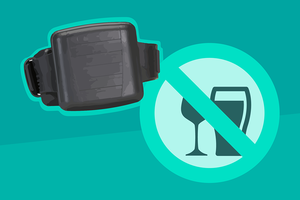
Sobriety tags and drinking bans aimed at reducing alcohol-fuelled crimes launch in England today (Wednesday 31 March), following a successful rollout in Wales
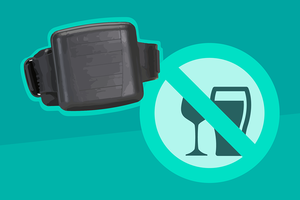
Offenders who commit alcohol-driven crimes could be ordered to wear a tag which takes a sample of their sweat every 30 minutes and alerts the probation service if alcohol is detected. They face further court sentences or fines if caught breaching a ban.
More than 100 offenders have been tagged since the scheme launched in Wales in October and it has proven effective, with offenders staying sober on over 95% of days monitored. Offenders have credited the scheme with helping them improve their lifestyle and staff say the tags have helped the offenders stay away from crime.
Alcohol plays a part in 39% of violent crime, with the social and economic cost of drink-related harm around £21.5 billion per year and is seen as one of the drivers of domestic violence and unprovoked attacks. That is why the sobriety tags will be backed up by targeted professional support, signposting offenders to the help they need and helping to prevent future victims.
Minister for Crime and Policing, Kit Malthouse MP said:
The tags have helped probation officers in Wales steer offenders away from bad habits and get them the support they need to turn their backs on crime.
Probation officer Laura Harrison said:
The tags can distinguish the difference between drinks and other types of alcohol – such as hand sanitiser or perfume. They work 24/7 and can also tell if someone tries to block contact between the tag and their skin.
It is the latest boost to the Government’s plans to make more effective use of tagging to help reduce crime following the launch of GPS tags being used to crack down on burglars and thieves earlier this month.
The Government is addressing the root causes of crime, tackling factors such as addiction, homelessness and mental health, and recently announced an extra £148m package to target drugs-related crime with the biggest boost in drug treatment spending in 15 years.
Supervision of offenders in the community is also being improved with greater powers for probation officers, novel uses of GPS tags and longer and more flexible curfews. For example, by having lesser restrictions Monday to Friday to keep offenders in work, but stricter curfews of up to 20 hours a day on weekends.