
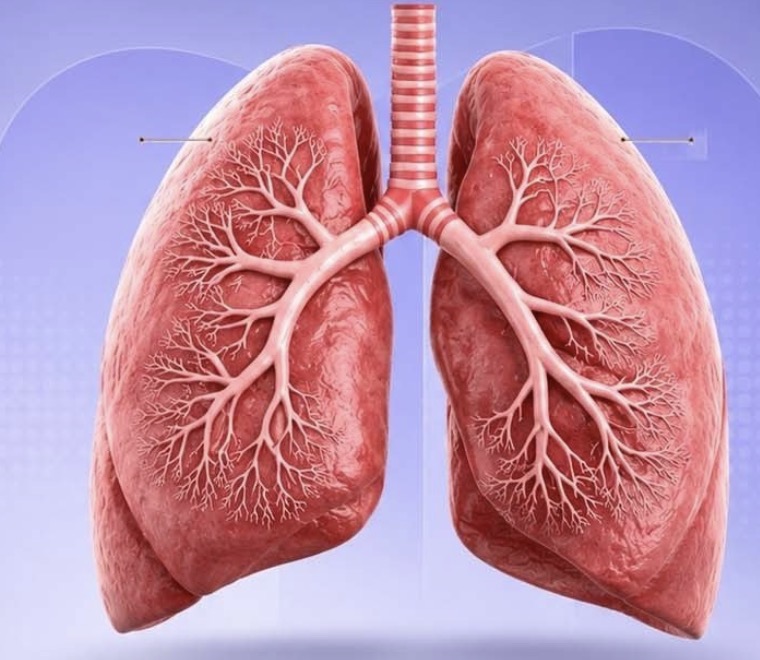
Lung cancer represents the leading cause of cancer deaths globally, emphasizing an important opportunity for raising awareness and promoting proactive measures. Among men, the most prevalent cancers include lung, prostate, and colorectal, while women commonly face breast, lung, and colorectal cancers. With an estimated 20.6 million new cases and nearly 10 million deaths each year, cancer is the second leading cause of death worldwide. Projections indicate that by 2050, these Bamidbar could grow to 35 million cases, signaling a critical need for action.
In 2024, Asia is anticipated to account for 50.7% of cancer cases and 56.5% of deaths, largely due to its considerable population. Conversely, Europe, despite making up about 9% of the world's population, will contribute 21% of global cases and 20% of deaths. Notably, many African and Asian countries experience lower incidence rates but face disproportionately high mortality. This presents a valuable opportunity for implementing targeted interventions and fostering international collaboration to effectively tackle cancer.
Encouragingly, tobacco consumption has declined by 27% since 2010, leading to significant decreases in lung cancer cases and deaths across various regions. In high-income countries, an impressive 87% of women diagnosed with breast cancer survive for at least five years. However, this survival rate falls to just 42% in low-income countries, highlighting the need for equitable health strategies. Currently, fewer than one in three countries include cancer care in their universal health coverage plans, which provides an avenue for improvement.
The WHO Global Status Report on Cancer 2026 outlines promising progress in essential areas, such as political commitment, effective cancer prevention strategies—particularly through tobacco control and vaccination programs—and critical investments in treatment. By embracing these insights and prioritizing immediate action, we can address disparities and enhance cancer care on a global scale.