
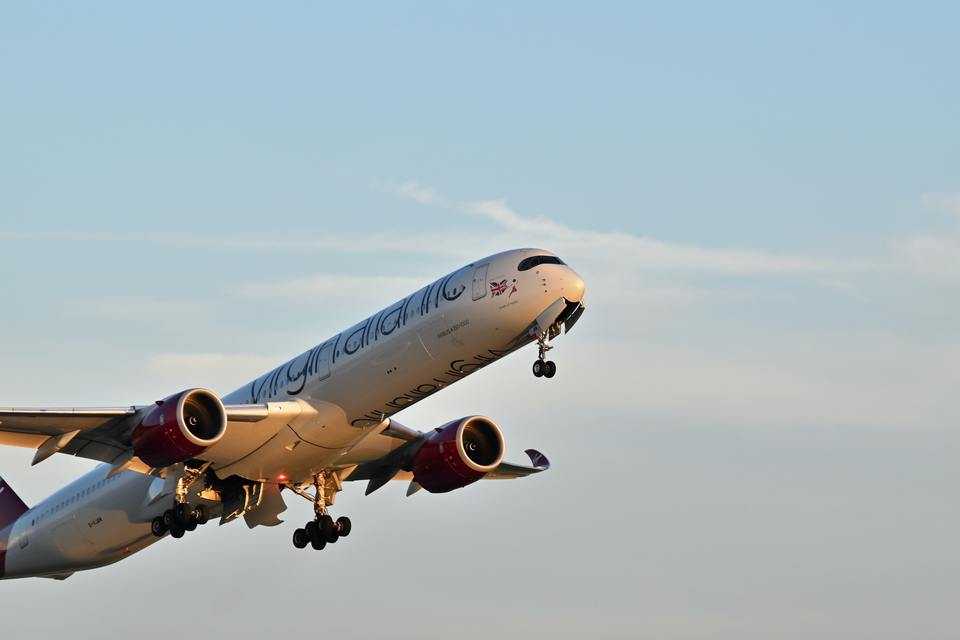
Virgin Atlantic wins competition to receive taxpayer funding for the first ever net zero transatlantic flight
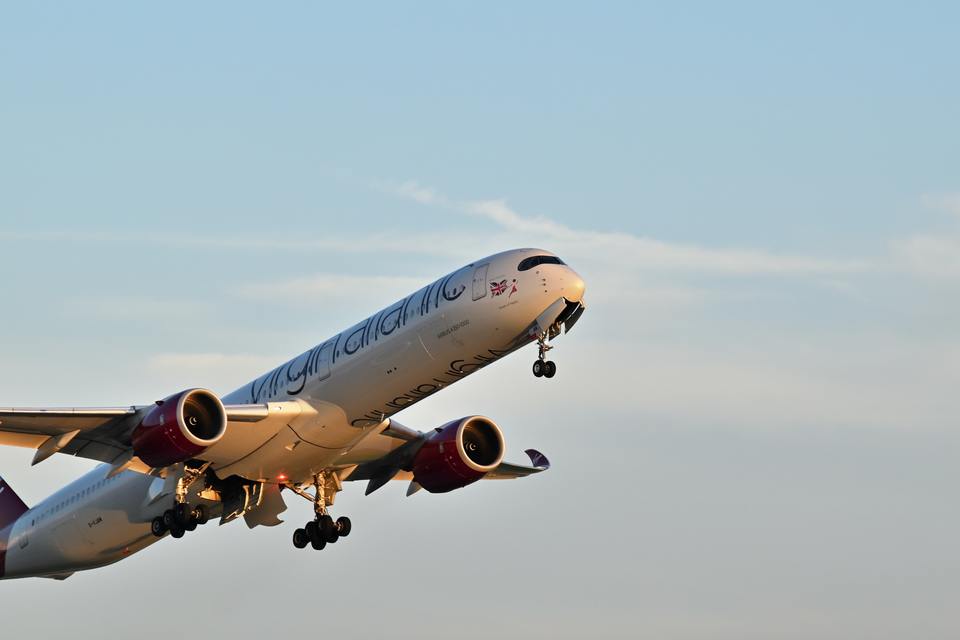
The first ever net zero transatlantic flight will take off from the UK next year, with Virgin Atlantic receiving taxpayer funding to fly across the pond using solely sustainable aviation fuel (SAF).
In 2023, one of Virgin Atlantic’s flagship Boeing 787s, powered by Rolls-Royce Trent 1000 engines, will take off from London Heathrow and make the journey to New York’s John F Kennedy Airport – a journey made by thousands of people for business, family and leisure every week. But this will be no ordinary journey.
When fully replacing kerosene, SAF can slash lifecycle carbon emissions by over 70% compared to conventional fossil jet fuel. This flight is expected to be fuelled by SAF made primarily from waste oils and fats, such as used cooking oil. The use of 100% SAF on the flight, combined with carbon removal through biochar credits – a material that traps and stores carbon taken from the atmosphere – will make the net zero flight.
Not only will SAF be key in decarbonising aviation, but it could create a UK industry with an annual turnover of £2.4 billion by 2040, and which supports up to 5,200 UK jobs by 2035.
Transport Secretary Mark Harper said:
Shai Weiss, Virgin Atlantic CEO said:
Aviation is one of the hardest sectors to decarbonise and without urgent collaborative action it could be one of the highest-emitting sectors for greenhouse gases by 2050. To tackle this, the government published the Jet Zero strategy in July 2022 which sets out our approach for decarbonising the sector and champions SAF as one of the main tools for achieving Jet Zero.
Challenges remain, however, including the need to scale up SAF production and the existing limit on how much SAF is permitted in jet engines by current fuel specifications. Today, a maximum of 50% SAF blended with kerosene can be used in commercial jet engines. By using 100% SAF, the consortium will demonstrate the potential to decarbonise long-haul routes and bring us a step closer to net zero aviation.
It comes hot on the heels of the world’s first sustainable fuel military transporter flight using 100% SAF, completed by the RAF last month using the iconic Voyager aircraft.
Other challenges preventing a higher uptake of SAF include high fuel production costs, technology risk at commercial scale and feedstock availability. To address these, the government is working to set the UK up to be a global leader in the development, production and use of SAF, allowing us to progress towards net zero flying, and creating thousands of green jobs.
The government will introduce a SAF mandate requiring at least 10% of jet fuel to be made from sustainable sources by 2030 to create secure and growing demand, continue to invest in a domestic SAF industry through the £165 million advanced fuels fund, and work with the industry and investors to understand how to secure long-term investment into the sector. Along with this ground-breaking flight, these measures will support a growing role for SAF within the future of everyday flying.
Rachael Everard, Head of Sustainability, Rolls-Royce said:
Sheila Remes, Vice President, Environmental Sustainability, Boeing said:
As well as delivering cleaner skies, the development of a domestic industry for the production of SAF has the potential to improve fuel security and support thousands of green jobs. In 2020, it was estimated that a UK SAF industry could generate a gross value added (GVA) of up to £742 million annually and support up to 5,200 UK jobs by 2035. A further 13,600 jobs could be generated from the growing market for SAF through global exports – helping to level up the UK and boost the economy.
Delivering the transatlantic flight will help to gather the data needed to support ongoing and future work to test and certify higher blends of SAF while exploring how operational efficiency improvements, flight optimisation and carbon removals can contribute to achieving net-zero flights – not just in the UK, but for the global aviation industry.
Dr Marc Stettler, Imperial College London said:
Professor Mohamed Pourkashanian, Head of the University of Sheffield Energy Institute, said:
Alastair Blanshard, ICF Sustainable Aviation Lead said: