
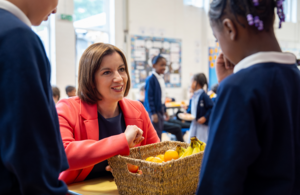
Over five million hours of childcare have been unlocked thanks to the government's Free Breakfast Club programme
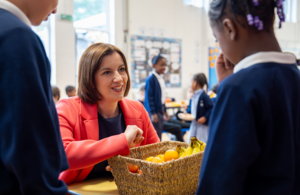
Ten million free breakfasts have been served to children across England through the government’s free breakfast club programme — unlocking 5 million hours of childcare and representing potential savings of up to £25 million in childcare costs for working families.
Over 300,000 children across 1,250 clubs are already benefiting, with families saving up to £450 and 95 hours a year. That is real money, real time, and real relief for parents juggling work and family life at a time when every penny counts.
The programme builds on the government’s wider drive to ease childcare costs, which includes 30 hours of free childcare for working parents of children from nine months old and expanding free school meals to every single child from a household that receives Universal Credit – lifting 100,000 children out of poverty. This – alongside the removal of the two-child limit - is set to lead to the largest reduction in child poverty in a single parliament, since records began. Free breakfast clubs extend that support further by giving parents a reliable, free option at the start of the school day that saves them time and money, and ensures no child starts the day hungry.
Today, the Education Secretary is writing to all primary schools in England to celebrate the impact of Free Breakfast Clubs so far and encourage all schools to prepare to join the programme the next two years. This follows on from the Children’s Wellbeing and Schools Act which makes clear that every primary school across the country will be expected to have a free breakfast club – so that every child, in every community, can access these clubs and their benefits. That means no child starts the day hungry, no classroom is held back, and no parent is left without options.
This comes as the government also announced the Great British Summer Saving scheme, cutting VAT on children’s meals, theatre and cinema tickets, and family attractions, and providing free bus travel for children aged five to 15 throughout August — extending the government’s commitment to reducing childcare and family costs beyond the school day, so families can make the most of their time together without worrying about the cost, from the breakfast table to the summer holidays.
Education Secretary, Bridget Phillipson, said:
The benefits of free breakfast clubs go beyond childcare savings, making a real difference for pupils – with children getting stronger results in reading, writing and maths where they are more settled and ready to learn, allowing teachers to focus on lessons and not behaviour.
Amanda Bradley, Headteacher of Bewdley Primary School in West Midlands, said:
Stacey Reburn, a parent at St. Bede’s Primary School, said:
To deliver even more benefits for children and parents, the government is seeking collaborative partnerships with businesses to offer free resources like books, games, and activities into breakfast clubs – so children are not just fed, but inspired and engaged ready for the school day.
Food partnerships with Magic Breakfast, Morrisons, Sainsbury’s and Weetabix are already helping schools serve healthy, nutritious breakfasts that children love and the governments new School Food Standards will raise the bar even further.
The first overhaul of school food in over a decade, the standards look to include a dedicated breakfast section that cuts out high-sugar, high-fat options in favour of higher-fibre breads and healthier cereals that research shows genuinely fuels children to learn. With backing from the likes of Jamie Oliver, Tom Kerridge and Emma Thompson, parents, schools and pupils are encouraged to have their say before the consultation closes on June 12.
Free breakfast clubs sit at the heart of this government’s wider mission to tackle child poverty and ease the cost of living for working families. Alongside expanding free school meals to every child from a household receiving Universal Credit and abolishing the two-child limit, these measures are on track to deliver the largest reduction in child poverty in a single parliament since records began.