
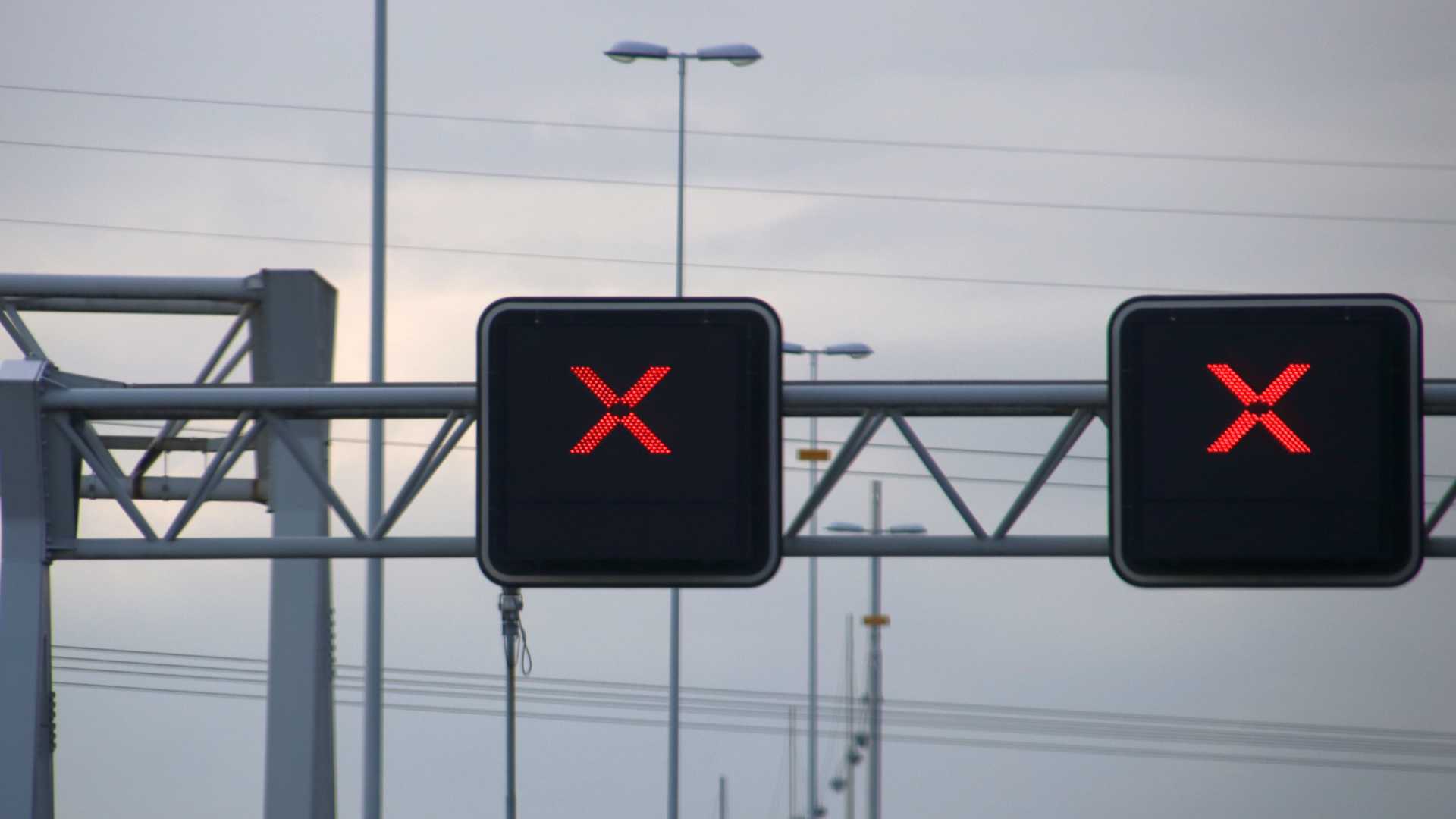
National Highways and ambulance crews ask drivers to respect the Red X and give them the space they need to reach incidents and treat casualties
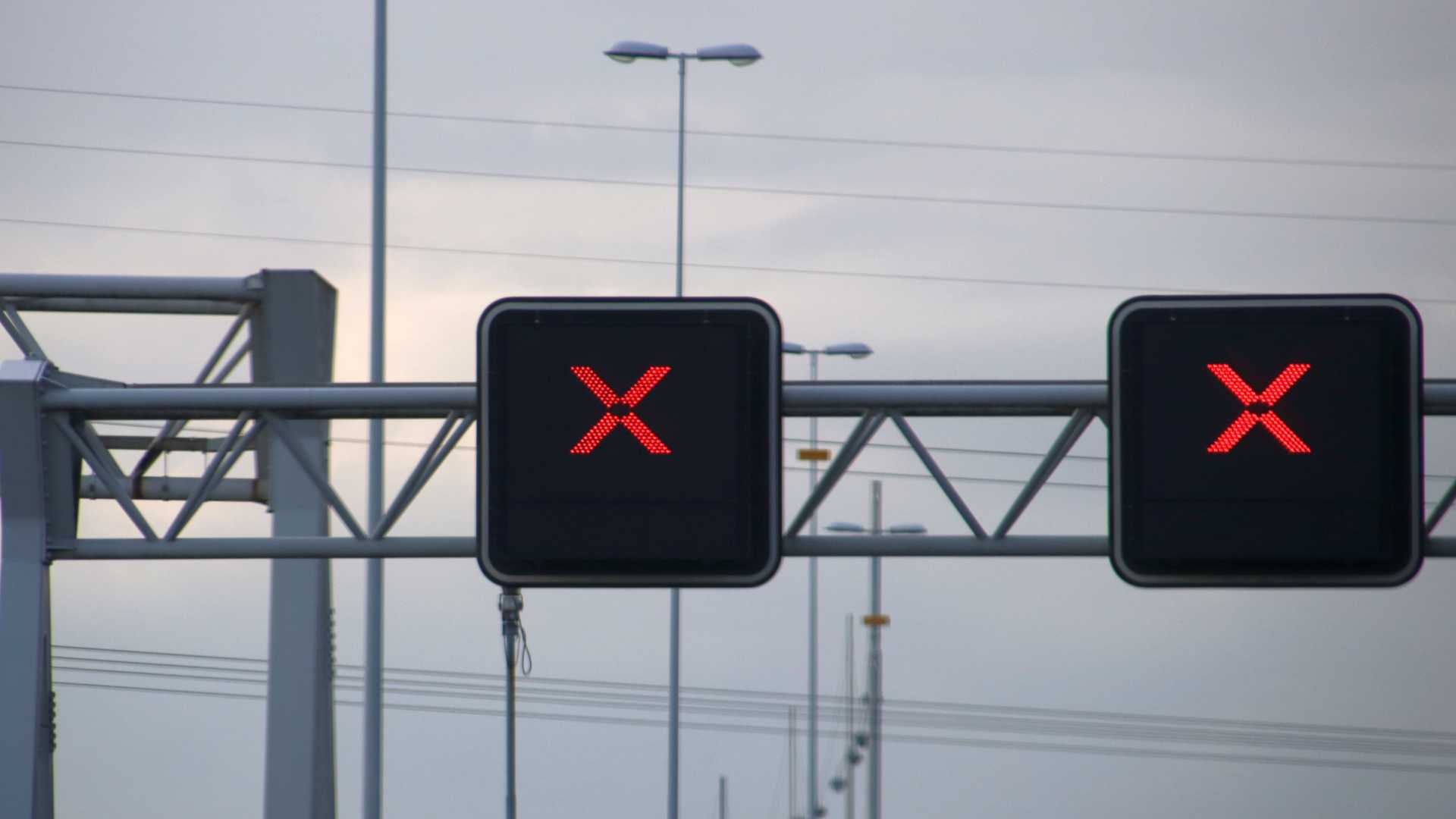
Ambulances on a blue light run need to get to their patients as quickly as possible without the fear of encountering motorists who obstruct their route, delaying crucial time to life-threatening incidents.
Using Red X signals, National Highways can close lanes to allow ambulance crews and other emergency services to have a clear route. Traffic officers can also close lanes to provide ambulance crews with a safe working environment while they are on scene dealing with casualties and saving lives.
National Highways has joined forces with ambulance chiefs to raise awareness of why it is so important to comply with a Red X.
Association of Ambulance Chief Executives (AACE) Managing Director, Martin Flaherty OBE, said:
National Highways’ Road Safety Team Leader, Jamie Hassall, said:
In June 2019 there was a change in legislation which meant cameras can now automatically detect vehicles that ignore a Red X so the police can take enforcement action.
It has been an offence for more than two decades to drive in a lane closed by a Red X and can result in a fixed penalty of up to £100 and three points or, in some cases, more severe penalties or a court appearance.
In April 2021 National Highways committed to accelerating the completion of its camera upgrade programme regarding the automatic detection of Red X offences. This means by the end of September this year it will have upgraded all cameras that automatically detect vehicles passing illegally under a Red X or entering the lane beyond a Red X. This is 10 months earlier than previously planned.
The Red X signals are one of a raft of measures to help keep people safe if they break down on motorways. National Highways has this month relaunched a campaign to remind drivers what to do in the event of a breakdown.
The campaign aims to help drivers feel safer, particularly when travelling on busy motorways, and is offering clear and simple advice on what to do in an emergency – go left, get safe, get help.
If drivers have vehicle trouble and cannot leave the motorway the advice is:
Go Left
Get Safe
Get Help
Drivers should always speak to National Highways before leaving an emergency area as operators can set signals, close a lane and warn approaching traffic that a vehicle is about to exit the area to help them re-join the motorway safely.
Visit our wesbite for advice about what to do in a breakdown.
National Highways has also launched a new Driving on motorways hub. It provides information about the main features of smart motorways, and advice and guidance on safer driving and what to do in an emergency.