
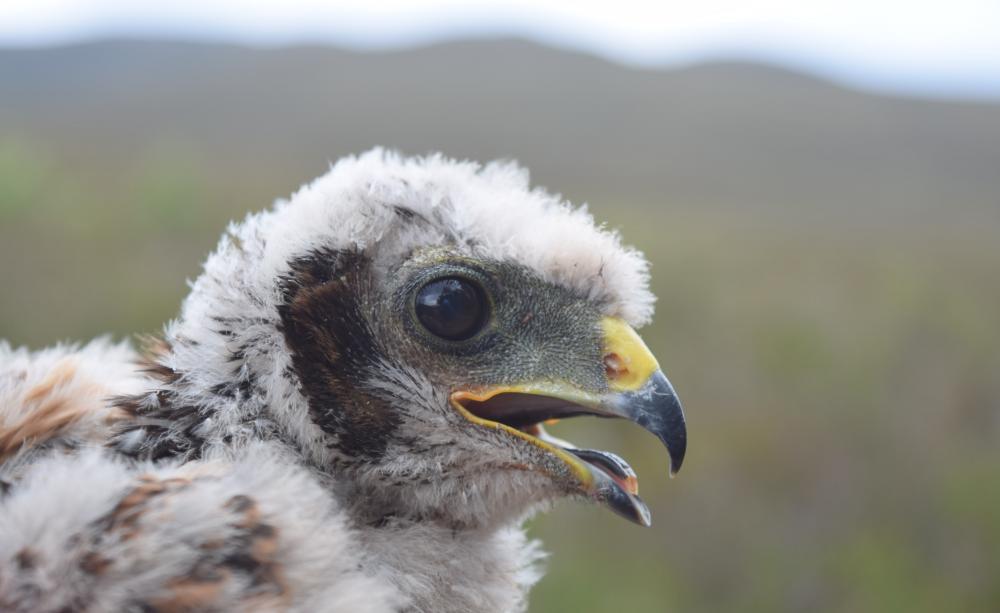
Numbers of chicks increase for fifth successive year
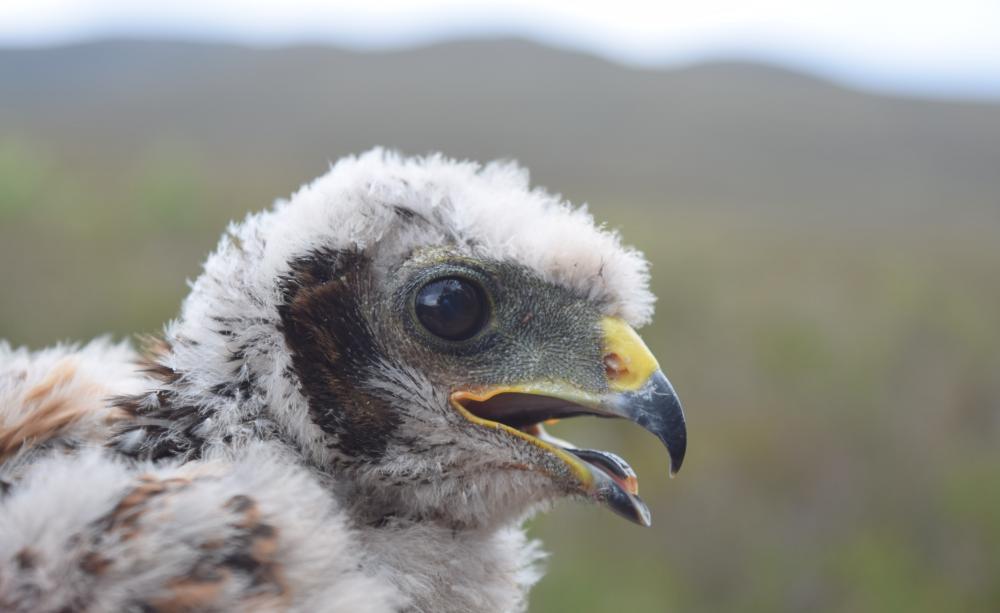
Natural England and partners, including the RSPB, have recorded the best year for hen harrier breeding in England since the 1960s with 84 chicks fledged from nests across uplands in County Durham, Cumbria, Lancashire, Northumberland and Yorkshire.
Hen harriers were once found across upland and lowland Britain including throughout many English counties, however after 1830 it became an exceptionally rare breeding bird in England due to illegal persecution. The hen harrier now is one of England’s rarest breeding birds of prey.
Hen harriers are one of our most distinctive birds with a characteristic owl-like face with stiff facial feathers that direct sound toward their ears to enable them to hunt more effectively.
This is the fifth successive year of increases, following a low in 2016 in which only 8 chicks fledged. This year has also been the strongest for breeding numbers since Defra’s Hen Harrier Action Plan was established to monitor hen harriers to understand why numbers are so low.
Dave Slater, Director for Wildlife Licensing and Enforcement Cases at Natural England, said:
This year has also seen the first successful year of breeding for brood-managed birds. Of the eight chicks raised in captivity in 2020 and re-released, six survived their first winter, and four of these birds went on to successfully breed.
Natural England is involved in a number of initiatives to help ensure hen harriers recover including through Defra’s Hen Harrier Action Plan.
These include:
The hen harrier is considered vulnerable within Europe and is on the red-list of birds of conservation concern in the UK. It is a species of principal importance for biodiversity conservation in England.
Further Information