
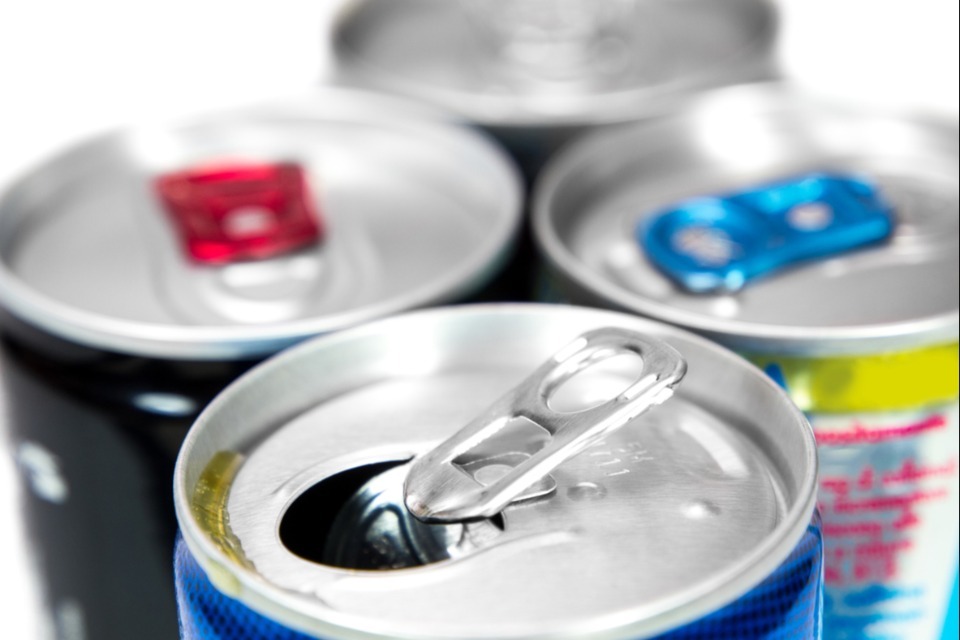
The government will consult on banning the sale of high-caffeine energy drinks to under-16s due to negative impacts on children's physical and mental health
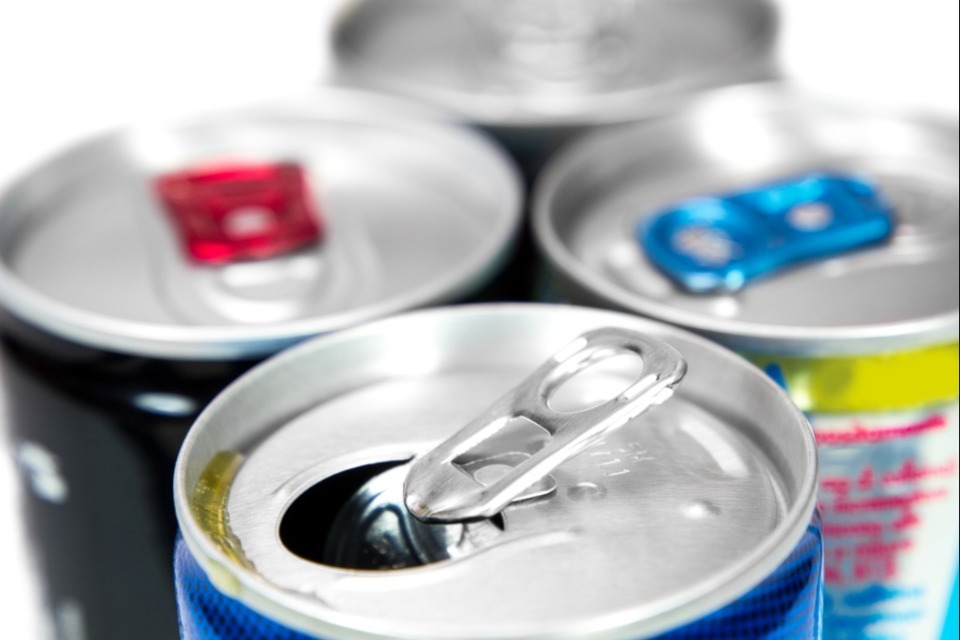
Children will be protected from the harm caused by high-caffeine energy drinks under new proposals to ban their sale to under-16s.
Plans set out today will help boost kids’ health by stopping retailers from selling the drinks to children in a move that could prevent obesity in up to 40,000 children and deliver health benefits worth tens of millions of pounds.
ADVERTISEMENT: Start Investing with No Fees — Join Robinhood Today
Around 100,000 children consume at least one high-caffeine energy drink every day. There is growing evidence linking these drinks to harmful effects on children, including disrupted sleep, increased anxiety, poor concentration and reduced educational outcomes.
Health and Social Care Secretary, Wes Streeting, said:
Research highlights that up to one-third of children aged 13 to 16 years, and nearly a quarter of children aged 11 to 12 years, consume one or more of these drinks each week, so early intervention is crucial if we are to deliver on our pledge to create the healthiest generation of children ever.
This is backed by parents, teachers and teaching unions who report on pupils being unable to concentrate and focus and even negatively affecting grades and academic performance. Evidence also shows that children from more deprived communities are more likely to consume these products - further contributing to health inequalities across the country.
ADVERTISEMENT: Start Investing with No Fees — Join Robinhood Today
Acting now to improve children’s wellbeing will not only help give them the best start in life and prevent them from a lifetime of poor health but also deliver tens of millions of pounds of health benefits as well as future savings for the NHS and increased economic productivity.
Education Secretary, Bridget Phillipson, said:
The proposal would make it illegal to sell high-caffeine energy drinks containing more than 150mg of caffeine per litre to anyone aged under 16 years across all retailers, including online, in shops, restaurants, cafes and vending machines. The proposals would not affect lower-caffeine soft drinks nor tea and coffee.
Many major retailers already voluntarily restrict sales, but research suggests some smaller convenience stores continue selling to children, highlighting the need for a consistent approach that protects our children and is fairer for industry.
A consultation launched today on delivery of the ban will run for 12 weeks gathering evidence from health experts, education leaders, retailers, manufacturers, local enforcement authorities and the public.
Every child deserves the best possible start in life which is why we are also rolling out supervised toothbrushing for 3 to 5 year olds, supporting free breakfast clubs and taking action to help families raise the healthiest generation of children ever.
And we have just announced the largest ever expansion with 30 hours government-funded childcare saving hard-pressed parents £7,500.
ADVERTISEMENT: Start Investing with No Fees — Join Robinhood Today
Supportive Quotes
Carrera, a Bite Back activist from Milton Keynes, said:
Lauren Morley from Worthing, East Sussex, is a parent to a 6 year old. She also works directly with young people and schools on nutrition and mental health. She is a parent ambassador with Sustain. She said:
Rounaq Nayak is a father to 2 children, living in Bristol. He works as a lecturer and is a parent ambassador with Sustain. He said:
Charlotte Harrison, Senior Safeguarding Consultant, said:
Stuart, Assistant Head Teacher of a sixth form, said:
Professor Amelia Lake, Professor of Public Health Nutrition, Teesside University and Deputy Director of Fuse, the Centre for Translational Research in Public Health, said:
Barbara Crowther of the Children’s Food Campaign at Sustain, an alliance of over 100 food, farming and health organisations, said:
Katharine Jenner, Director, Obesity Health Alliance, said:
Sarah Muckle, Policy Lead for Children and Young People at the Association of Directors of Public Health and Director of Public Health for Essex, said:
Professor Tracy Daszkiewicz, President of the Faculty of Public Health, said:
Andrea Martinez-Inchausti, Assistant Director of Food at the British Retail Consortium (BRC), said:
Pepe Di’Iasio, General Secretary of the Association of School and College Leaders, said:
Paul Whiteman, General Secretary, National Association of Head Teachers (NAHT), said:
Professor Steve Turner, President of the Royal College of Paediatrics and Child Health, said:
Rebecca Tobi, Senior Business and Investor Engagement Manager, the Food Foundation, said: