
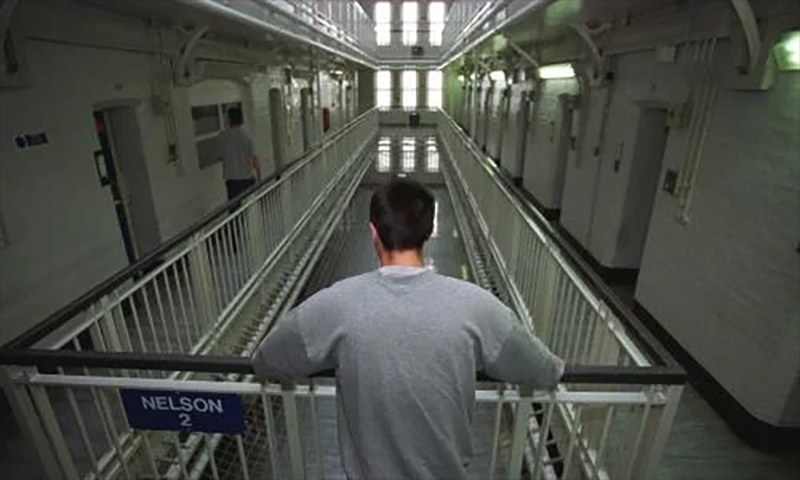
Sir Martyn Oliver, His Majesty’s Chief Inspector of Education, Children’s Services and Skills, and Charlie Taylor, His Majesty’s Chief Inspector of Prisons, have expressed their deep concern at declining standards in young offender institutions
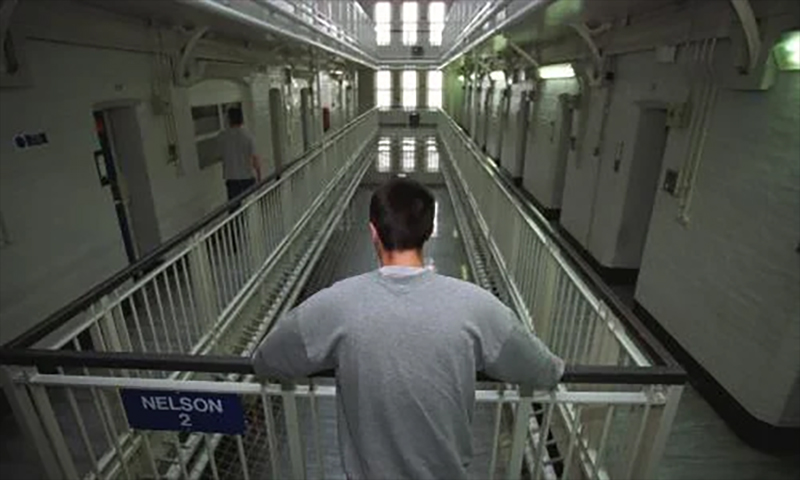
Young offender institutions house children and young people who have committed a criminal offence. They play a vital role in helping to turn around the lives of these children and young people. They are meant to offer at least 15 hours of education a week.
A joint review by Ofsted and His Majesty’s Inspectorate of Prisons (HMIP), published today, shows that educational opportunities for children in YOIs have been steadily declining for the last decade.
Read the full report: ‘A decade of declining quality of education in young offender institutions: the systemic shortcomings that fail children’
Ofsted’s Chief Inspector, Sir Martyn Oliver said:
HMIP’s Chief Inspector, Charlie Taylor said:
The review finds that both the quality and quantity of education have reduced over 10 years, and children have access to far too few work experience opportunities. It identifies YOI staff’s inability to manage children’s complex behaviours as one of the main reasons for the poor quality of education. Effective behaviour management strategies are not put in place, which means children are often kept in isolation, apart from their peers and unable to access enough hours of education. Combined with staff shortages, it is harder for staff to build relationships with children.
The review also finds that the time children spend out of their cells has reduced sharply, with some children allowed as little as half an hour a day outside their cell.
Inspectors from Ofsted and HMIP found that poor leadership and a lack of cooperation between education providers and YOI leaders mean that leaders and managers have established very few effective sustainable measures to deal with rapidly declining standards at YOIs.
Today’s review makes a number of recommendations for youth custody service leaders, including:
The amount of time that children are kept in isolation or locked up should be significantly reduced.
Children’s and young people’s attendance at education must be prioritised, so they can access a comprehensive and purposeful day of educational activity, training opportunities and work that best meet their needs and career goals.
Appropriately qualified and competent teaching staff should be recruited, who know how to support children to make good progress.
Notes to Editors