
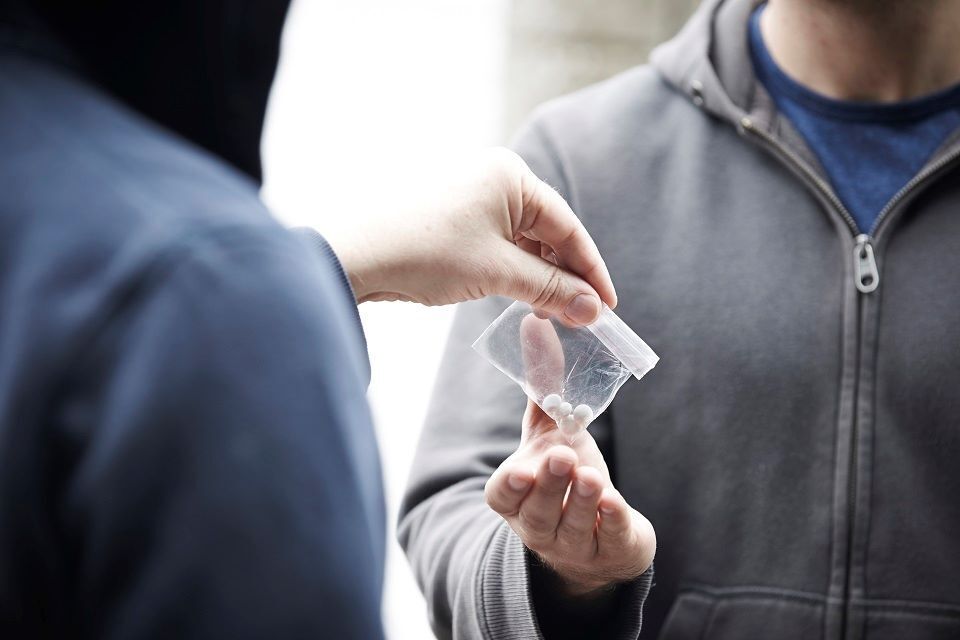
The harms of synthetic cathinones are to be re-assessed, to see if some or all, including ‘monkey dust’, may need reclassifying
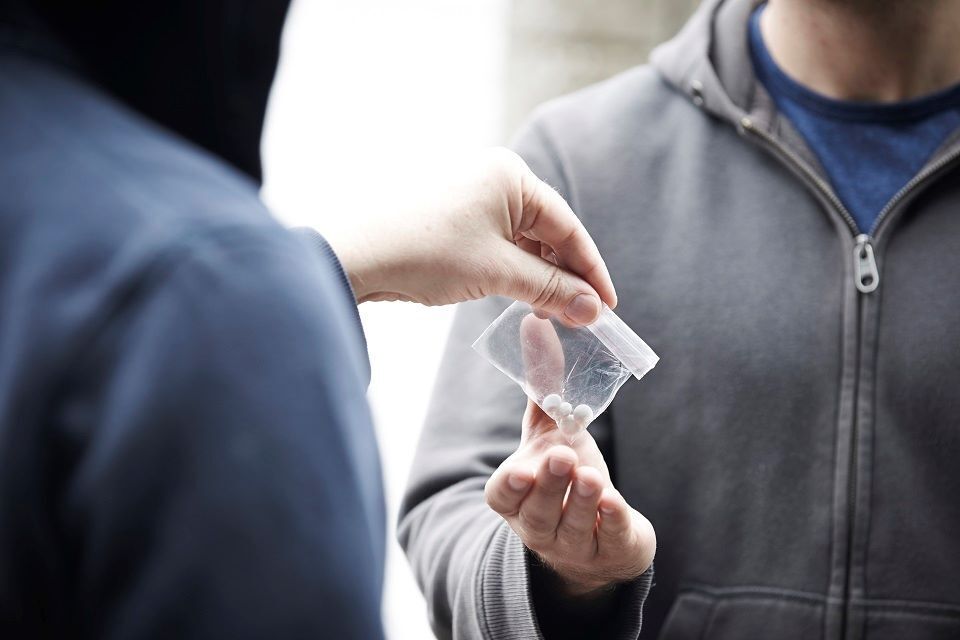
An independent review into the harms that monkey dust and other synthetic cathinones pose has been commissioned as the government continues its work to combat drug addiction and violent crime.
Currently a Class B substance, the drug is reported to be responsible for acts of violence and arson – particularly in Stoke-on-Trent.
There have also been concerns about the impact of synthetic cathinones on people’s heath, with reported effects including hallucinations, psychosis and involuntary body movements.
The Policing Minister has asked the Advisory Council on the Misuse of Drugs (ACMD) to consider whether these substances, including ‘monkey dust’, should be made Class A drugs to keep communities safe. By making this a Class A substance, criminals caught suppling this drug will face a life sentence.
Minister for Crime and Policing Chris Philp said:
Driving forward our 10-year Drug Strategy’s whole-system approach to tackling drugs, the review will also explore how other measures such as drug treatment and recovery can combat the harmful impacts of this substance. This is in addition to our drug diversion schemes and housing support interventions to help addicts turn their lives around for good.
Chief Inspector and operational lead on drugs at Staffordshire Police, Rob Hessell said:
Lisa Healings, Chief Executive of VAST – the local infrastructure organisation for the voluntary and community sector in Stoke-on-Trent said:
The ACMD will now undertake the review and return their advice to the government. Updates will be provided in due course.