
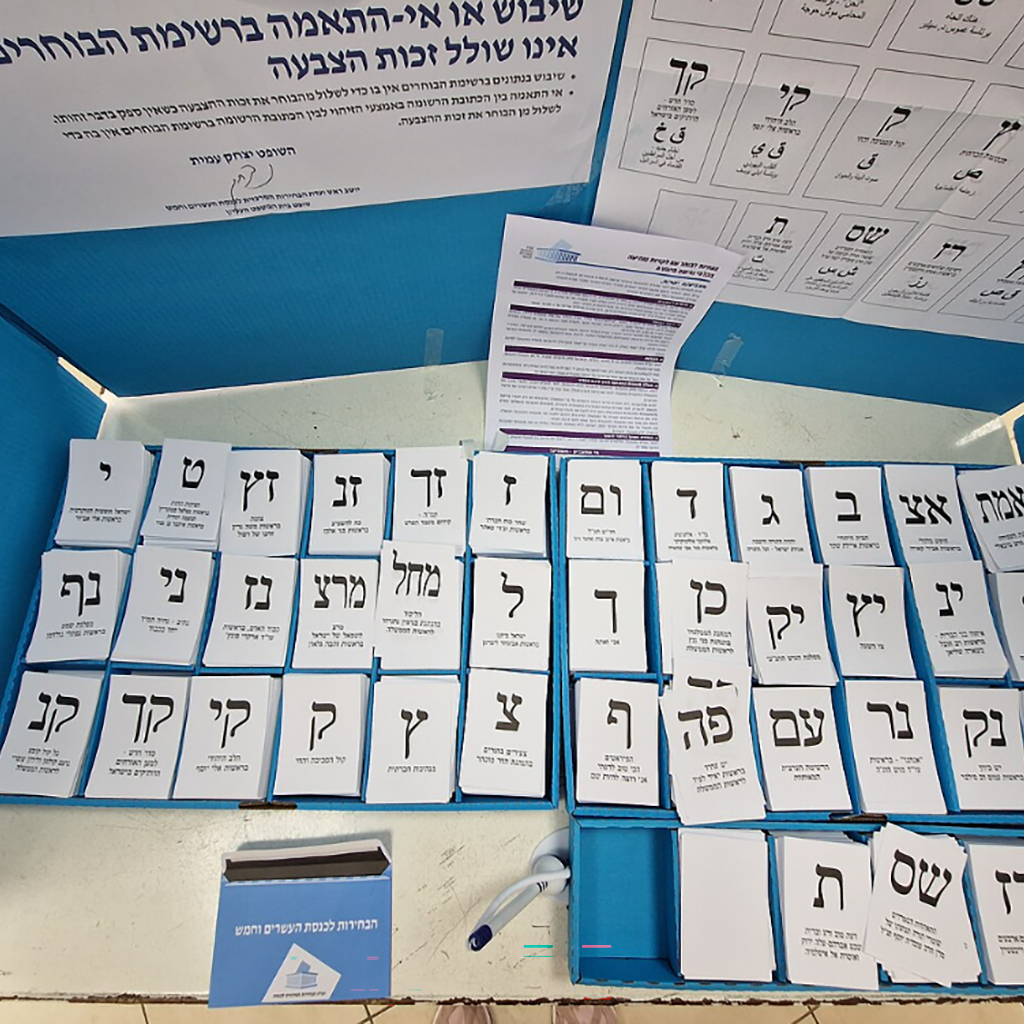
Israel will hold its next general election on 27 October, the latest date permitted under Israeli law, marking the conclusion of the first Knesset term to run its full course since 1973. The announcement formally begins what is expected to be one of the most closely contested election campaigns in recent Israeli history.
Prime Minister Benjamin Netanyahu, the country's longest-serving leader, will once again head the Likud Party into a national election. It will be the twelfth time he has sought the premiership, doing so against a backdrop of significant political and security challenges. His government continues to face scrutiny over the failures that preceded the Hamas-led attack of 7 October 2023, while military operations against Iran and its regional proxies remain central to the national agenda. At the same time, his long-running corruption trial continues to progress through the courts.
Recent opinion polls suggest that Netanyahu's current coalition may struggle to secure the 61-seat majority required to form a government without attracting additional partners. As a result, coalition negotiations are expected to play a decisive role once the votes have been counted.
The Prime Minister has indicated that national security will form the cornerstone of his campaign. He has argued that Israel must complete the task of dismantling the remaining threats posed by the Iranian regime and its regional allies before turning its attention fully to domestic reconciliation and future diplomatic opportunities. Netanyahu has also continued to warn voters that his political opponents could seek support from Arab parties in order to form an alternative governing coalition.
Opposition parties are expected to campaign on a very different set of priorities. They are likely to focus on reversing many of the current government's most controversial initiatives, including proposed reforms affecting the powers of the Supreme Court, continued expansion of Jewish communities in Judea and Samaria, legislation introducing capital punishment for convicted terrorists, and the unresolved dispute over military service for members of the Charedi community.
These issues, together with the ongoing security situation and the future direction of Israel's economy and foreign relations, are expected to dominate the campaign in the months ahead.
The current parliamentary session concludes later this week, after which political parties will move into full election mode. With Israeli law requiring almost all citizens to cast their ballots within Israel, airlines are expected to experience increased demand as Israelis living abroad make arrangements to return home in time to vote.
The outcome of the election will determine not only the composition of Israel's next government, but also the direction of the country's security policy, constitutional debate and regional diplomacy during a period of continuing instability across the Middle East.