
Taxpayers are funding the UK Space Agency to research into refuelling an upcoming mission to remove space junk, which could help prolong the life of satellites and prevent adding more debris to the space environment
A total of £2 million of taxpayer-funding is being made available by the government for feasibility studies that can demonstrate the ability to refuel a UK national debris removal mission and look at opportunities for refuelling a commercial satellite as well.
Daily life relies on space services – from navigation and weather forecasting to financial services and TV. It is therefore essential that we preserve the space environment for future generations as we do here on Earth.
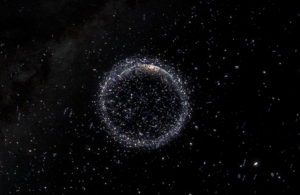
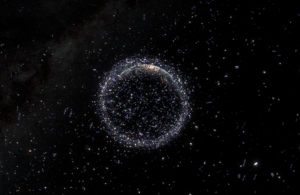
Millions of defunct space objects are currently orbiting the planet – almost 37,000 measuring larger than 10cm and an estimated 130 million measuring less than 1 cm. These can be anything from old satellites to astronaut tools and even flecks of paint. The speed at which they travel means they are a constant threat to ‘live’ satellites.
As part of a package of initiatives to help ensure the long-term sustainability of the outer space environment, the UK Space Agency is leading work to develop UK capabilities in this area and demonstrate leadership in more sustainable space operations.
One such initiative is a UK national debris removal mission, planned for launch in 2026 and designed to be refuellable.
As satellite launch costs continue to fall and new technologies – such as highly manoeuvrable satellites that can dock with others and perform tasks like refuelling – come online, the UK Space Agency is inviting bids from UK organisations to develop feasibility studies to support the mission and the development of future capabilities.
George Freeman MP, Minister of State at the Department for Science, Innovation and Technology, said:
Ray Fielding, Head of Sustainability at the UK Space Agency, said:
Richard Lowe, co-Chair of UKspace In-orbit Service & Manufacture (IOSM) Working Group, said:
See further details on the refuelling study call.
The announcement comes ahead of the UK Space Conference (21-23 November at ICC Belfast) – a global platform for government, industry and academic space innovators to gather and collaboratively shape the future of space.