
We are told, repeatedly, that Starlink is the marvel of private enterprise. That Elon Musk, the maverick billionaire, has singlehandedly reshaped the communications landscape by placing more than eight thousand satellites into orbit, offering Internet connectivity from the battlefield in Ukraine to the deserts of Africa. The narrative is intoxicating: the free market at work, solving problems that governments could never manage.
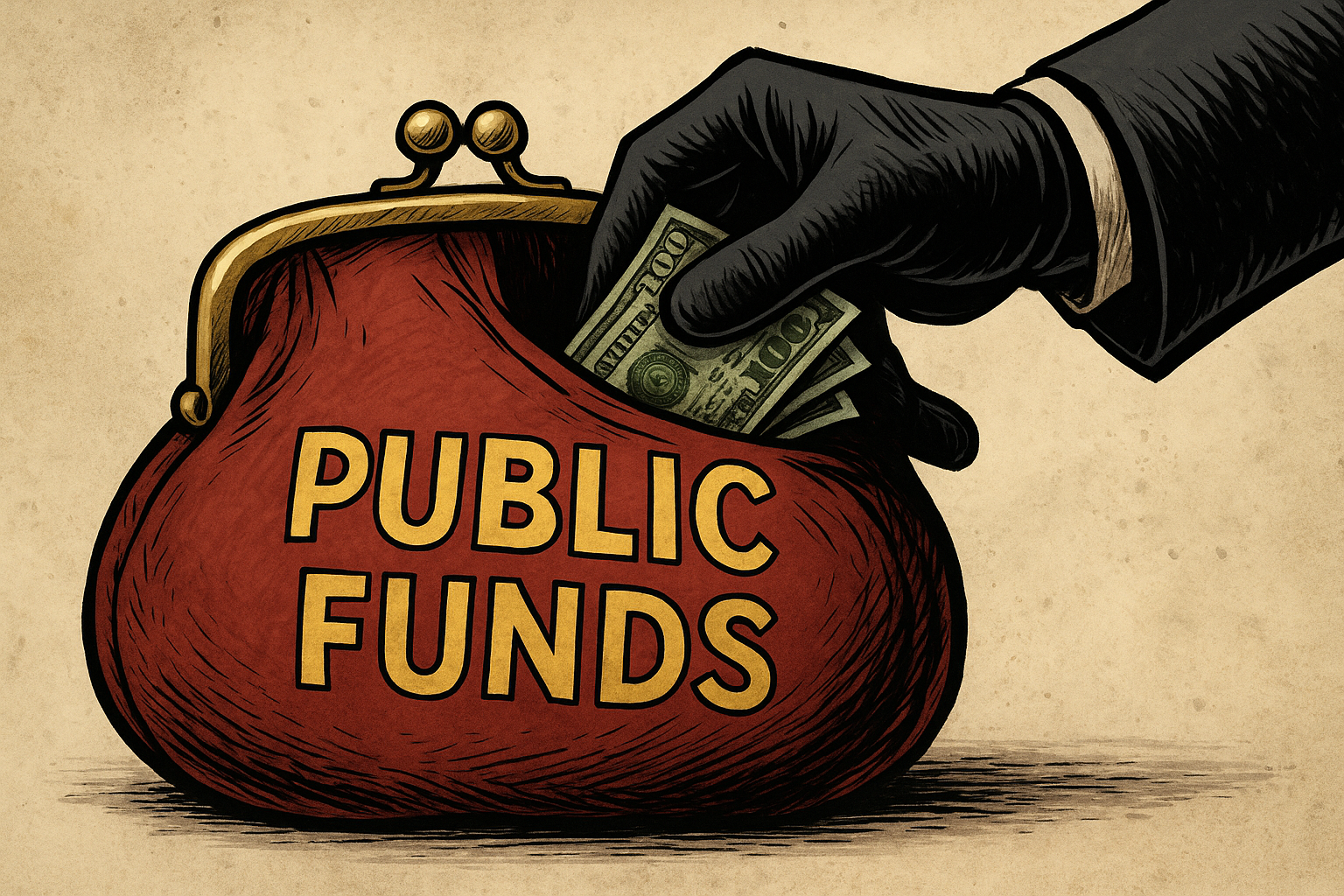
But beneath this glossy marketing lies an uncomfortable truth. Starlink is not the product of pure private enterprise. It is the product of a public subsidy machine that funnels billions in taxpayer dollars into the pockets of one man’s commercial empire. It is a case study in how modern “entrepreneurs” have perfected the art of pocketing the profits while leaving the risk to taxpayers.
The Public Purse Behind the Rocket
SpaceX’s Falcon 9—the workhorse that launches Starlink satellites—did not emerge from thin air. It was bankrolled, nurtured, and brought to maturity by U.S. taxpayers through NASA contracts and Department of Defense (DoD) spending. Billions flowed into SpaceX under the banners of “Commercial Crew,” “Commercial Cargo,” and “National Security Space Launch.” These programs were pitched as necessary investments to end America’s reliance on Russian rockets and to secure the nation’s access to space.
Yet the infrastructure they paid for is the same infrastructure Musk uses to loft thousands of commercial satellites into orbit for his subscription-based Starlink service. In effect, every American who paid their taxes helped build the launch system. But when those rockets roar into the night carrying Starlink Internet satellites, the benefit does not return to the public. It goes to a private balance sheet.
The Sleight of Hand
Defenders will say that NASA and the DoD got what they paid for: reliable launches, cheaper alternatives, and technological advancement. That is true. But that is only part of the story. SpaceX leverages taxpayer-funded assets for private profit, erasing the line between public investment and private enterprise.
How Taxpayer Money Flows Into Starlink
The evidence is clear and widespread. Consider just a few of the ways taxpayer money supports Musk’s empire:
So yes, the headline number for “direct subsidies” looks small. But that ignores the billions already embedded in the system: the rockets, the launchpads, the R&D, the supply chains, and the workforce—all built with public funds.
Paying Twice for the Same Product
Here lies the insult to injury. Taxpayers already funded the development of the very rockets that launch Starlink satellites. Now they are asked to pay again if they want to subscribe to Starlink’s service. It is as though the public built a highway system only to discover that a private company owns every on-ramp, charging tolls for access.
The rhetoric of free enterprise conceals the reality of dependency. Musk may be the face of innovation, but his empire stands firmly on the shoulders of the American taxpayer. Without NASA and DoD contracts, there would be no SpaceX at scale. Without SpaceX, there would be no Starlink.
The Illusion of Innovation
This is not innovation in the sense we are told to admire. Innovation is the creation of something new, through risk and private capital, where success or failure rests on the shoulders of the entrepreneur. What we see with Starlink is something else: a system where the public pays to de-risk the venture, while the private owner collects the rewards.
And this model is not confined to space. It is becoming the blueprint of modern capitalism: corporate welfare dressed as progress. Governments pour billions into “strategic industries,” claiming the investment is necessary for competitiveness and national security. Then the beneficiaries turn around and monetise those investments as private fiefdoms, selling back to the very people who funded them.
A Question of Accountability
Where is the accountability? Where is the honest conversation about the true cost of Musk’s empire? Americans are told that Starlink is saving lives in war zones, connecting rural schools, and pushing humanity forward. These claims may hold some truth. But they cannot obscure the larger reality: that the American taxpayer is footing the bill for a project that delivers no direct return to the public.
We must ask: is this the role of government? To finance private monopolies in the name of progress? Or should public investment deliver public goods—owned, operated, and accessible to the very people who paid for them?
Starlink is not a miracle of private enterprise. It is a monument to the quiet theft of public resources for private gain. Musk did not bootstrap this empire. He harnessed the machinery of government spending and turned it into a personal empire.
The public deserves to know the truth: that when they cheer the latest Starlink launch, they are not witnessing the genius of one man, but the culmination of years of taxpayer money repackaged as private innovation.
Until we name this for what it is—taxpayer-funded profiteering—we will continue to be dazzled by the show while our wallets are emptied behind the curtain.