
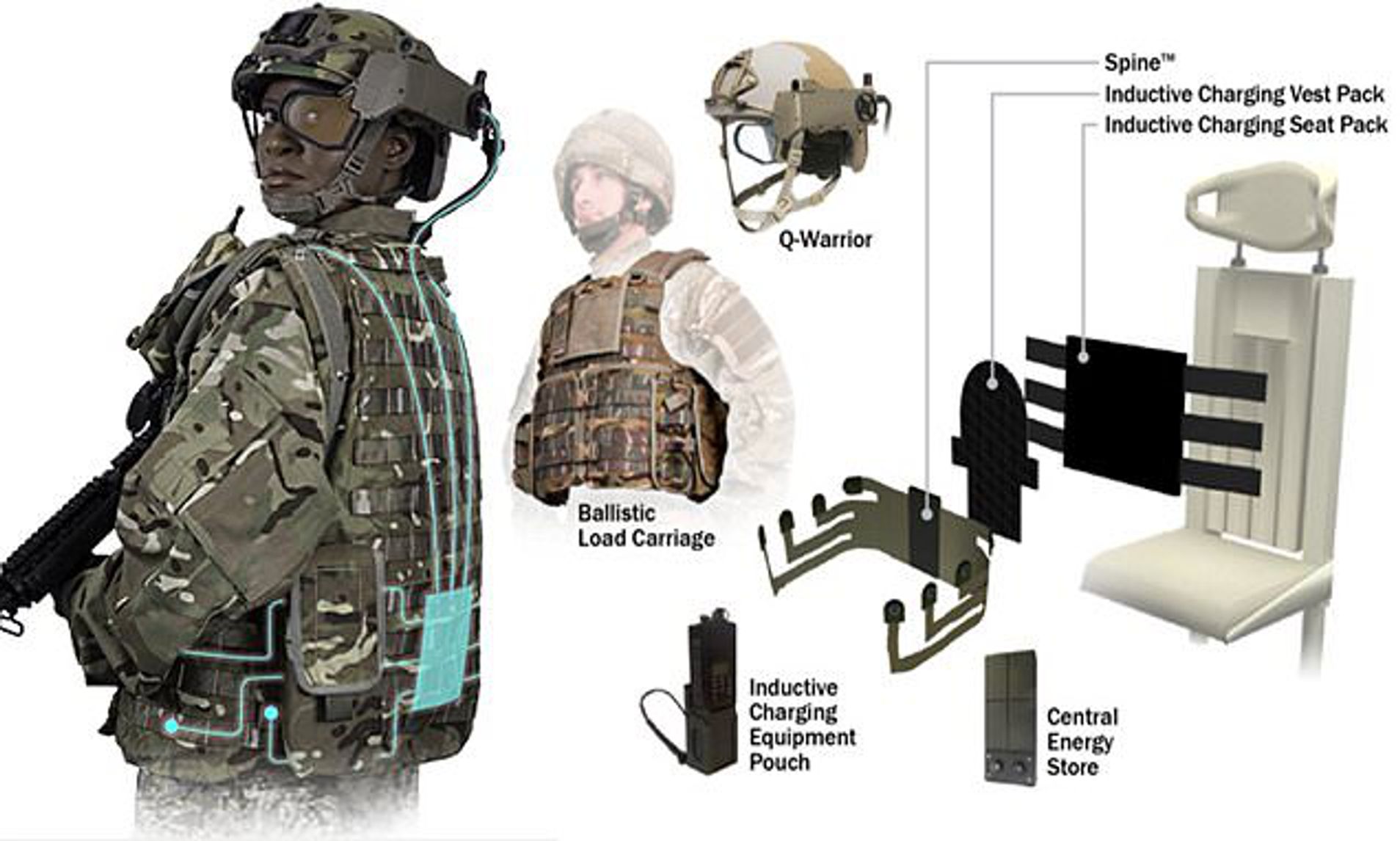
Major advances have been made in body-worn technology for UK soldiers, improving their operational advantage
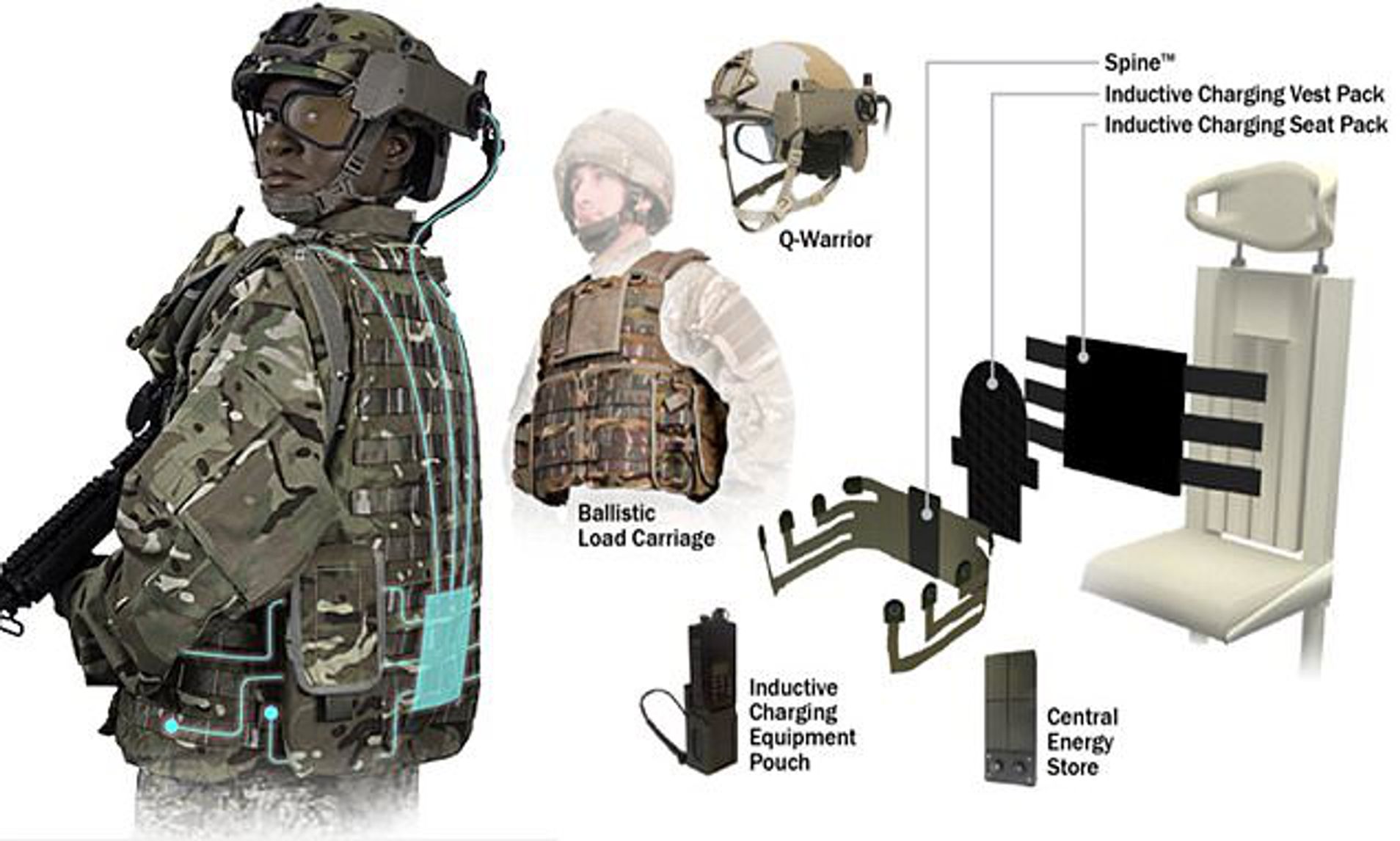
The next generation of body-worn technology has been put through its paces by British soldiers, bringing a modernised advantage to the battlefield. The aim of the trials is to integrate available technology into wearable tech for soldiers, advancing battlefield awareness and allowing faster tactical decision making.
This announcement comes as part of the new government’s commitment to procuring state-of-the-art defence capabilities. The Future Soldier programme delivers on the aim of adapting military equipment programmes to meet emerging requirements, as outlined in the launch of the Strategic Defence Review this week.
Examples of the technologies being looked at by the Army include laser detection systems to warn if enemies are targeting personnel, drone thermal detection to identify enemies, and ground sensors to detect enemy movement with alerts sent to body-worn systems.
The digital system is standardised and provides customised control that can be tailored to each individual mission.
Troops from Leicestershire-based 2nd Battalion, The Royal Anglian Regiment, tested cutting-edge data visualisation tools, integrated sensors, and live intelligence feeds all connected in a single system.
The trial, conducted by scientists from the Defence Science and Technology Laboratory (Dstl), demonstrates that even minor changes to infantry-level tactics with Command and Control, Communications, Computing and Information Systems, can vastly improve operational outcomes.
Improved outcomes can include:
Minster for Defence Procurement and Industry, Maria Eagle said:
Dstl scientists are carrying out this research as part of the Future Integrated Dismounted Soldier Vision (FIDSV) with research into how the next generation of ‘digitally connected soldier’ technology can improve capability and operational advantage.
The range of technologies tested includes:
Dstl chief executive Dr Paul Hollinshead OBE MBA said:
Jon Russell, Dstl’s Senior Principal Scientist on the research, said:
“Our aim is to develop the most capable armed forces in the world, by merging different technologies to advance battlefield awareness.”
Regimental Sergeant Major (RSM) at the infantry Trials and Development Unit said:
Dstl, in partnership with industry, will make use of the lessons learned from this latest testing on Salisbury Plain’s military training area to develop the need for future equipment for defence.
The next phase will include vehicle mounted options, as well as develop a joint soldier system with UK allies. Further development and experimentation will continue over the next five years and will evolve as and when new technologies become available.