
Gonorrhoea cases have resurged in England since the easing of coronavirus (COVID-19) restrictions in 2021
Provisional data published today indicates that gonorrhoea diagnoses from January to September 2022 were 21% higher than those reported over the same period in 2019. Data also indicates that during the first 9 months of 2022, gonorrhoea cases were higher than those reported over the same period in each of the last 3 years.
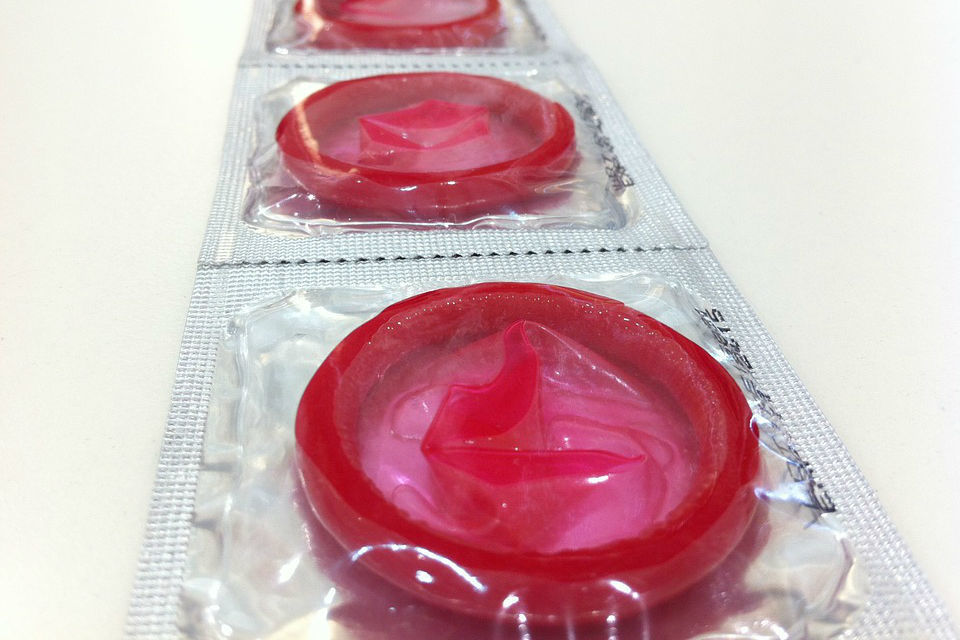
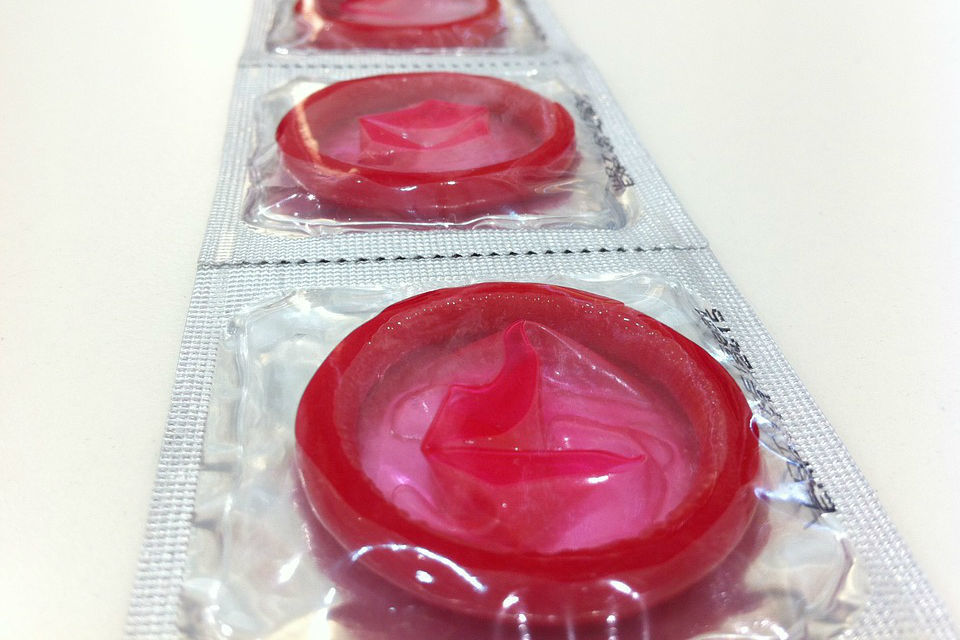
UK Health Security Agency (UKHSA) is reminding people to wear a condom and get tested regularly if having sex with new or casual partners. Testing is free and discreet and you should get tested even if you are not showing any symptoms.
The data shows that the total number of gonorrhoea diagnoses from January to September 2022 (56,327) was 21% higher when compared to the same period in 2019 (46,541), the year when the highest number of diagnoses was reported.
Young people aged 15 to 24 years remain most likely to be diagnosed with sexually transmitted infections (STIs) due to more frequent changes in sexual partners. Though STIs are usually easily treated with antibiotics, some STIs, including gonorrhoea, can have serious consequences as they can cause serious health issues such as infertility and pelvic inflammatory disease.
Typical symptoms of gonorrhoea include a thick green or yellow discharge from the vagina or penis, pain when urinating, pain and discomfort in the rectum and, in women and other people with a uterus or ovaries, lower abdominal pain and bleeding between periods.
People infected with gonorrhoea will often have no symptoms, especially for infections in the throat, vagina or rectum. This lack of symptoms makes it important to test regularly when having sex with new or casual partners.
Dr Katy Sinka, Consultant Epidemiologist and Head of the STI section at UKHSA, said:
Dr Thomas Waite, Deputy Chief Medical Officer at the Department of Health and Social Care said:
Dr Claire Dewsnap, President of the British Association for Sexual Health and HIV, said:
Previously, we have seen cases of gonorrhoea with resistance to ceftriaxone, the main antibiotic used to treat the infection. While these ceftriaxone-resistant cases remain rare, it is a reminder to all people having condomless sex with new or casual partners to get tested regularly at sexual health services to ensure prompt diagnosis and appropriate treatment.
The best way to protect yourself and your partner from gonorrhoea, HIV and other STIs is to wear a condom consistently and correctly when having sex with new or casual partners.
Regular testing for STIs and HIV is essential to maintain good sexual health. Testing is free and can be accessed through local sexual health clinics, university and college medical centres or through self-sampling kits sent discreetly through the post.
Find a sexual health clinic near you on NHS.UK