
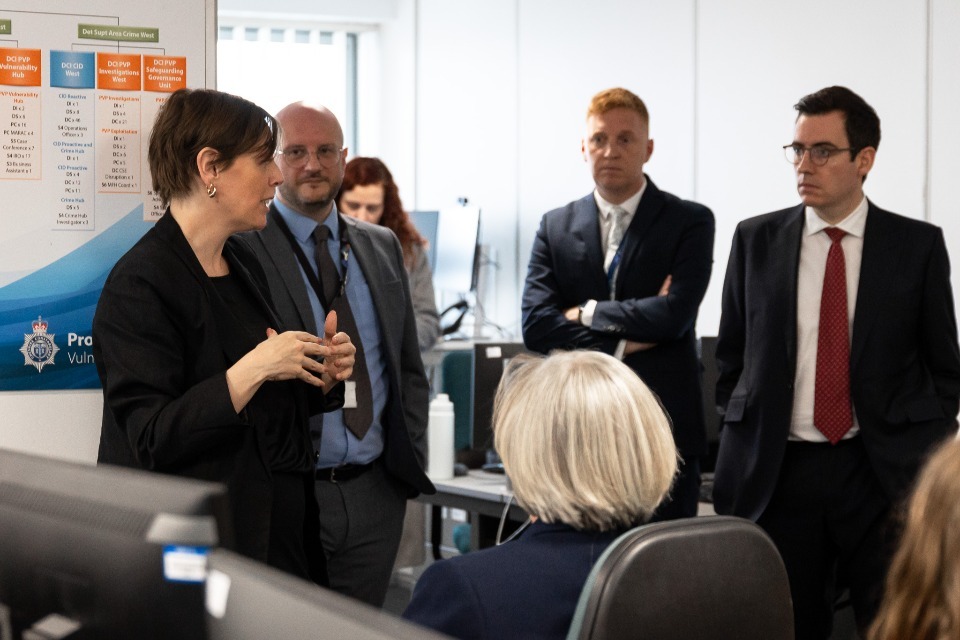
Stalking victims are to be given more protection and perpetrators will face tougher sanctions under a raft of new measures unveiled by the Home Office
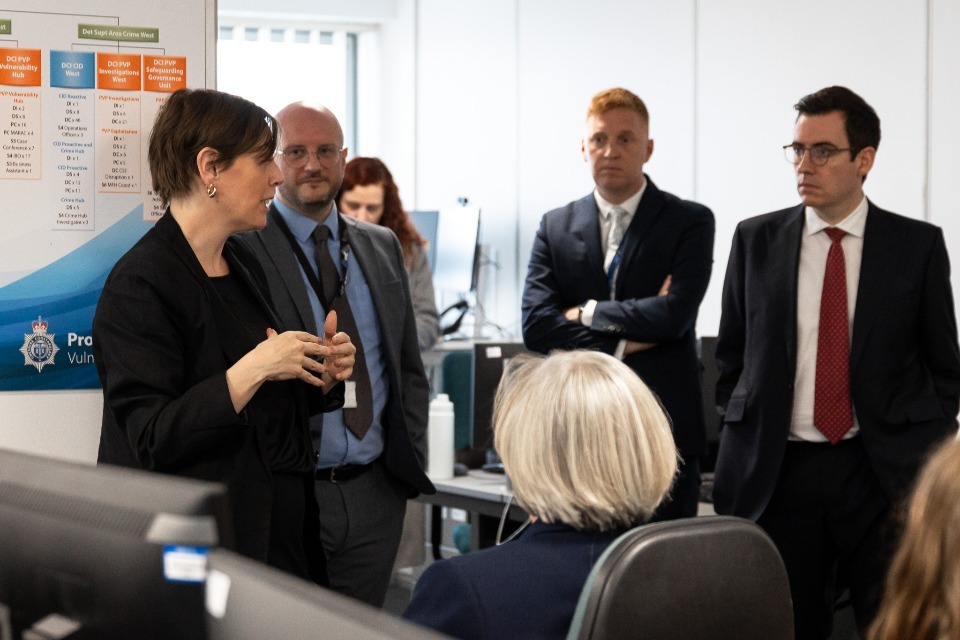
Not knowing the identity of an online stalker can be extremely unsettling with victims left in the dark as to whether the offender is known to them, which can put them in more danger.
For the first time, the Home Secretary will issue new ‘Right to Know’ statutory guidance to empower the police to release the identity of an online stalker at the earliest opportunity. This will set out the process for disclosure more clearly to the police and provide victims who are subject to this chilling crime with greater reassurance that they will be quickly told the identity of the individual threatening them online.
The guidance was inspired by the experience of broadcaster and activist Nicola Thorp. She was stalked and abused online in a terrifying ordeal lasting months by a man she did not know, who set up almost 30 social media accounts to send her a constant stream of violent misogynistic messages.
Former Coronation Street actress and Talk TV host Nicola has been working with the government to give victims the right to know who their online stalkers are after police said they could not reveal the identity of the offender even after he was arrested, despite the perpetrator once saying he had got so close to Nicola on a train, he “could smell” her.
The man, who called himself The Grim Reaper in some of his messages to Nicola, is currently serving a 30-month prison sentence with a lifetime restraining order handed down after his appearance in court – the first time Nicola learned his true identity.
In further measures to tackle stalking, victims will also be given more protection from offenders by making Stalking Protection Orders more widely available – these orders can ban stalkers from going within a certain distance of their victims or contacting them, and can also compel them to attend a perpetrator programme to address the root causes of their behaviour.
Currently, these can only be applied when an offender is convicted and when a protection order was in place before they went on trial. Once implemented, under new measures, courts will be given the power to impose restrictions on perpetrators after they have been convicted even if there was no protection order in place before they went on trial, stopping, for example, offenders from contacting their victims from prison. Courts will also be able to directly apply protection orders on those who have been acquitted if there is enough evidence to suggest that they are still a risk to the victim.
Home Secretary Yvette Cooper said:
Nicola Thorp said:
In a further step, a review of the stalking legislation will determine whether the law could be changed to support police to better identify stalking and arrest offenders.
Further measures include:
In addition, the government has committed to accepting or partially accepting all the recommendations arising from the recent super-complaint on talking made by the Suzy Lamplugh Trust and a consortium of other organisations and campaigners to demand better support for victims, and a stronger response from the authorities, in the wake of the sharp rise in stalking offences over recent years.
Minister for Safeguarding and Violence Against Women and Girls, Jess Phillips, said:
Emma Lingley-Clark, Interim CEO Suzy Lamplugh Trust said: