
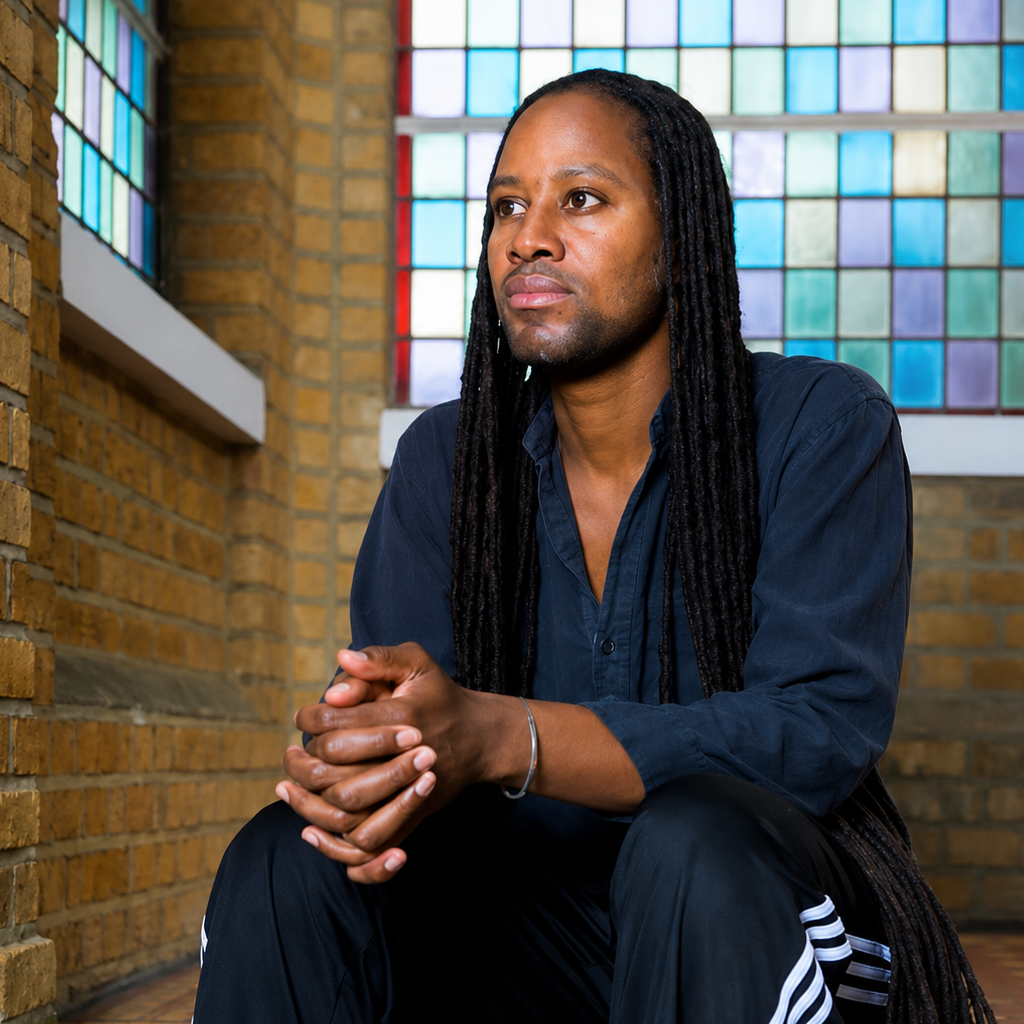
Jason Arday is dead at 41.
Only days ago he resigned his professorship at the University of Cambridge following serious allegations concerning plagiarism, his academic work and claims he had made about his achievements. Those allegations should not simply be dismissed. Academic integrity matters. Plagiarism matters. Truth matters.
But something else matters too.
A human life.
There is an enormous difference between investigating wrongdoing and turning another human being into an object of public sport.
Arday had been diagnosed with autism and described how, having been non-verbal as a child and learning to read and write comparatively late, mimicry became one of the ways through which he understood and navigated the world. That does not automatically answer allegations of plagiarism, nor should autism become a convenient explanation for every error attributed to him. But it ought at least to have reminded people that behind the headlines was a complicated human being.
Instead, the controversy became entertainment.
People who had never met Jason Arday, whose lives had never been affected by anything he had written in an academic thesis, suddenly became personally invested in his humiliation. Every inconsistency became another opportunity for ridicule. Every allegation became another stone to throw.
His family now says that he endured a sustained campaign of abuse and that eventually it became too much for him.
We do not yet know the official cause of his death, and we should not pretend otherwise. But neither should we ignore what his family is telling us about the circumstances surrounding the final period of his life.
There is something profoundly disturbing about a society in which accountability so easily becomes persecution.
If Arday plagiarised academic work, there were institutions capable of investigating it. If he embellished his CV or exaggerated achievements, Cambridge was capable of determining whether he remained suitable for his position. He resigned. His professional reputation had suffered enormously.
What legitimate purpose was served by thousands of strangers continuing to attack him?
And now he is dead.
Yet astonishingly, even beneath reports announcing his death, some people continue the mockery. A man has died, a family is grieving, children have lost their father—and still there are people apparently unable to resist delivering one final insult.
Torah understood the destructive capacity of speech thousands of years before social media gave every person a worldwide audience.
“Death and life are in the power of the tongue” — Mishlei 18:21.
That is not poetry without consequence. It is a warning.
Our words create realities. They can restore dignity or destroy it. They can comfort someone already wounded or push him further into darkness. The fact that thousands of people may be saying something does not relieve any individual of responsibility for adding his own voice.
Judaism also teaches ona’at devarim (אונאת דברים), oppression through words. The Gemara in Bava Metzia 58b teaches the extraordinary seriousness of humiliating another person, comparing public humiliation to bloodshed. The comparison is deliberately shocking because Torah demands that we understand that wounds inflicted without a weapon can nevertheless be devastating.
None of this means wrongdoing should be concealed.
Justice requires truth.
But justice is not vengeance, and accountability is not humiliation.
Perhaps the most dangerous feature of the Internet is that it separates action from consequence. Someone types twenty cruel words, presses a button and continues with his day. He does not see the person reading them. He does not see his face. He does not know whether his words were merely one more blow among ten thousand others received that morning.
And so everyone tells himself: My comment did not matter.
Torah says otherwise.
Every word matters.
Jason Arday may have made serious mistakes. Those questions can and should be examined truthfully. But whatever conclusions might ultimately have been reached about his academic conduct, he was more than a thesis, more than a CV, more than a controversy and more than the allegations attached to his name.
He was a human being.
He was a son. A partner. A father.
And now, at 41, he is dead.
There should come a point when society asks not merely whether an accusation is true, but what legitimate purpose is served by continuing to destroy the person accused.
We are responsible not only for the truth of the words we speak but for what we choose to do with them.
One day each of us will answer for our actions.
And perhaps, before posting the next clever insult, joining the next pile-on or helping to humiliate someone we have never met, we should remember the warning of Mishlei:
Death and life are in the power of the tongue.
Jason Arday’s death should make us consider just how literally those words may sometimes need to be understood.