
This tech would enable military personnel to look inside containers, including cars and walls, for hidden weapons or explosives without being near the threat
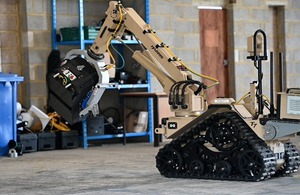
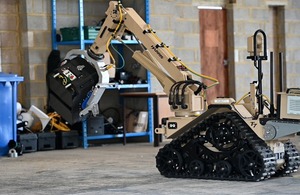
A pioneering X-ray robot designed to detect weapons and explosives is a step closer to saving lives on the battlefield.
Defence Science and Technology Laboratory (Dstl) experts have run field trials on a Rapiscan American Science and Engineering produced prototype that uses X-Ray Backscatter (XRBS) imaging technology mounted on a L3Harris T7 remote-controlled robot.
This would save lives by enabling military personnel to look inside containers - including cars and walls - for hidden weapons or explosive material without being near the potential threat.
Operators would also be able to scan large areas quicker leading to increased situational awareness giving troops an operational advantage.
Trial Manager Elaine said:
She added that it was extremely rewarding from joining as a graduate to demonstrating this capability in her first role as trial manager.
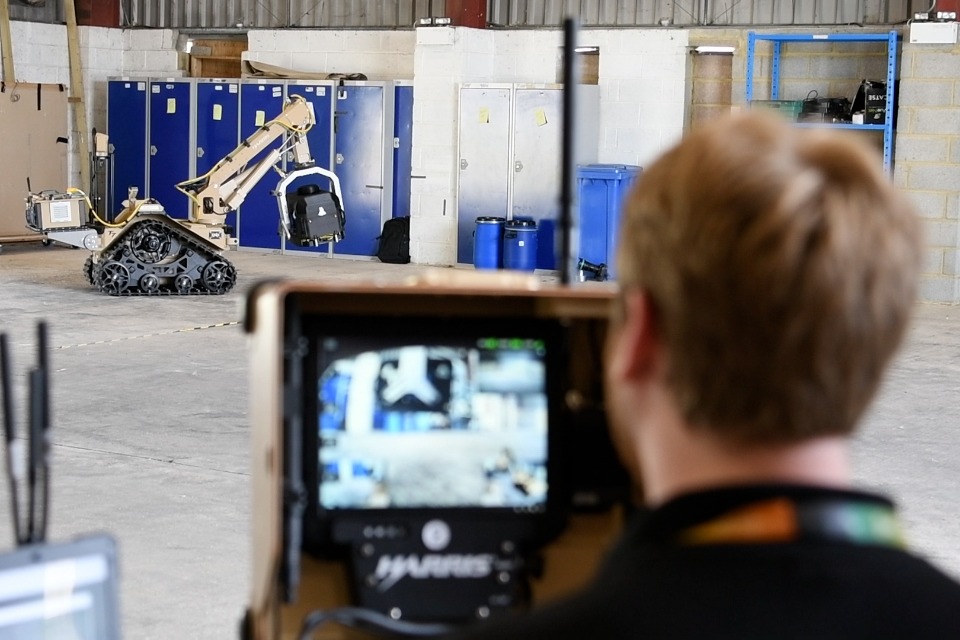
The project is a collaboration with the US government and two prototypes have been created.
After the successful field tests the project team will be using the feedback to assess what modifications would be needed to turn this prototype into a military asset that could be used on the battlefield.
Physics graduate Lyndsey:
The team have been demonstrating the capability to UK and US stakeholders using simulated explosive and non-conventional threats as well as various firearms.
They showed the prototype detecting threats through bags, plastic drums and metal lockers in addition to a car and a variety of wall materials.
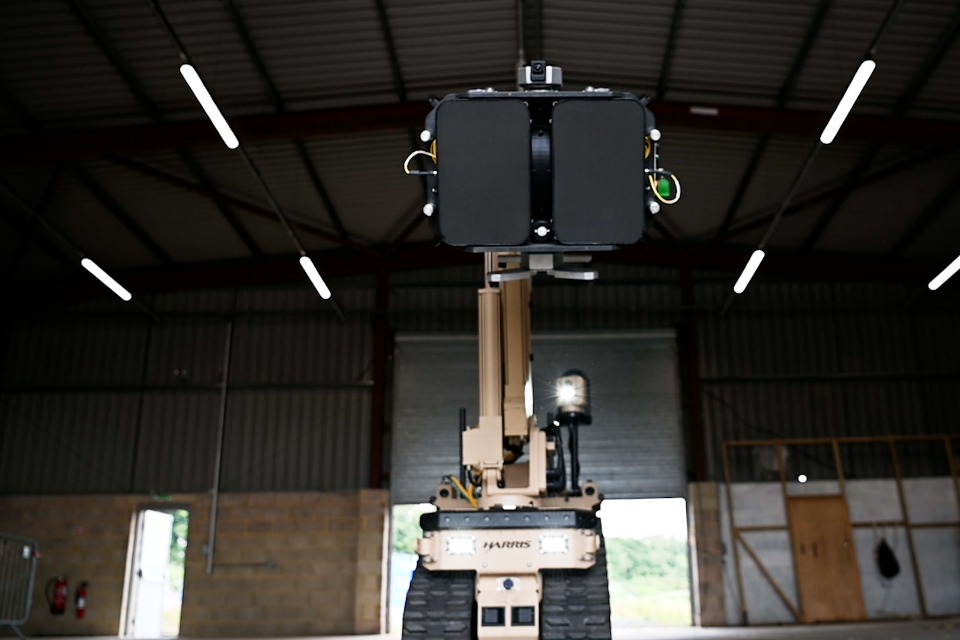
The prototype imager head is mounted on the robot arm and is operated via a haptic controller. Combining the X-ray Backscatter system with the EOD robot has allowed the demonstration of remote deployment of the capability across multiple terrains.
The Backscatter technology forms the image by sweeping a small ‘pencil beam’ of X-rays across the target and detecting those reflected back using detectors mounted on the front of the imager.
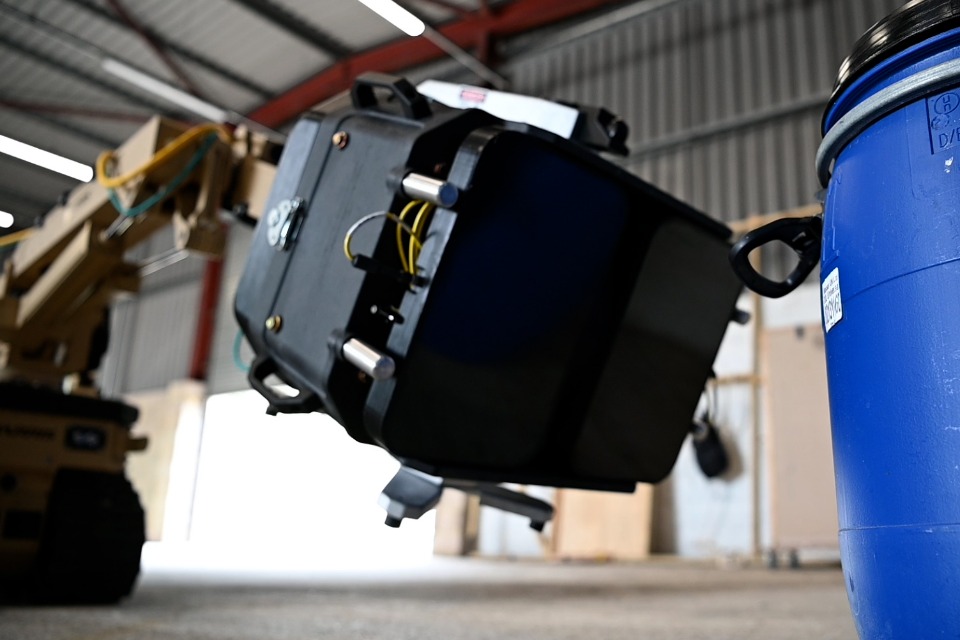
The image is transmitted back to the operator in real-time for analysis.
Senior Principal Scientist Andrew said: