
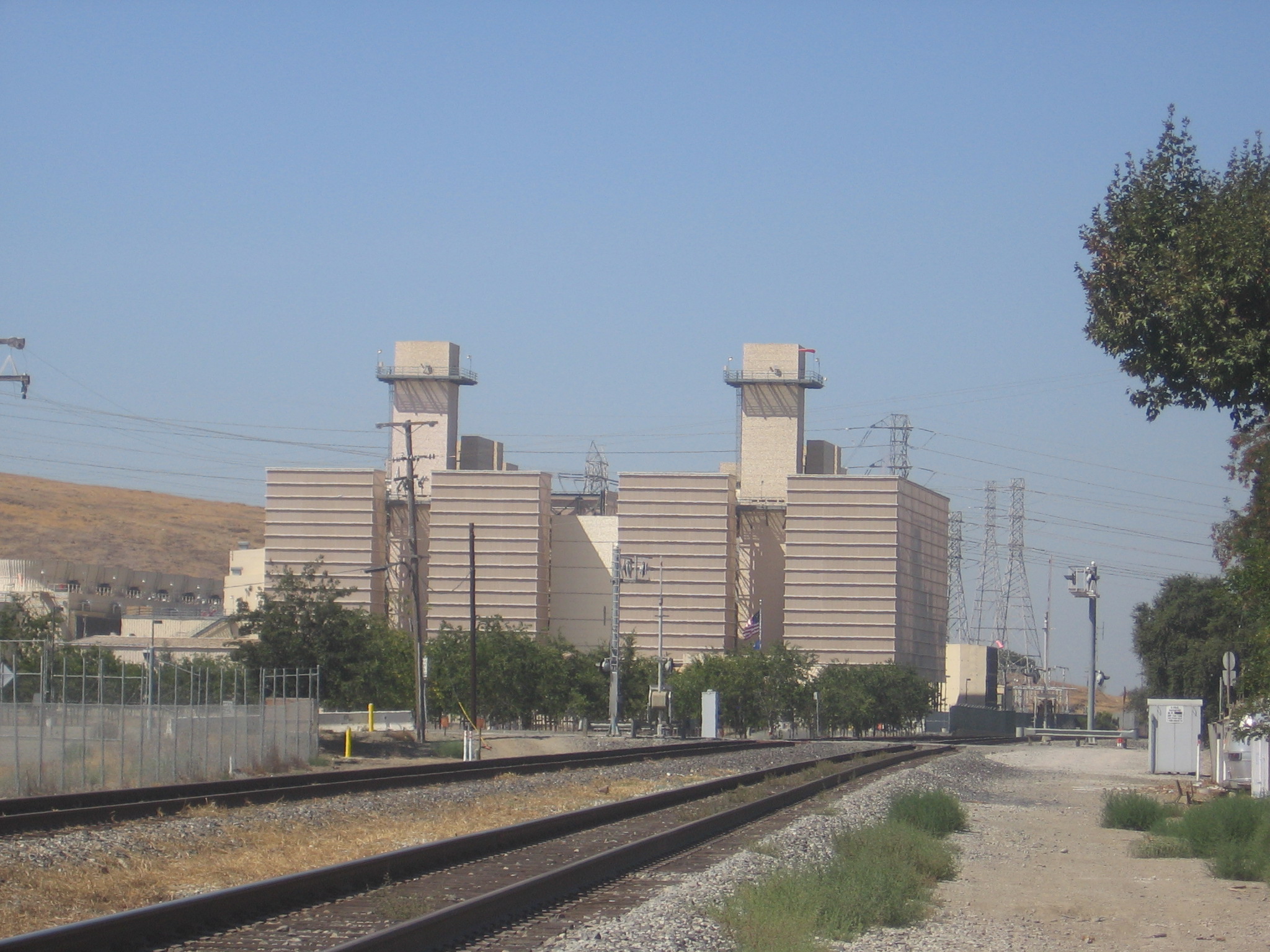
The 2013 attack on PG&E’s Metcalf Transmission Substation in California stands out as a notable incident that raised significant concerns about the vulnerabilities of critical infrastructure in the United States. The sophistication of the attack, the unknown identities of the perpetrators, and the lack of conclusive evidence all contribute to an enduring sense of mystery and speculation. This analysis explores the key aspects of the event, the theories surrounding the attack, and the broader implications for security and infrastructure resilience.
1. Precision and Sophistication: A Hallmark of Military Expertise?
The attack demonstrated a level of precision that seemed to transcend typical criminal behavior. The perpetrators:
The calculated nature of the attack led some experts to consider the possibility that the perpetrators were highly trained, potentially with military expertise. Speculation about foreign involvement, particularly North Korean commandos, emerged partly due to the exacting methodology of the strike, which suggested more than just vandalism or localized sabotage. However, the absence of concrete evidence connecting the attack to a foreign military only fueled further conjecture.
2. Motive and Attribution: The Persistence of Speculation
The attack's motive remains one of its greatest mysteries. Several possibilities have been floated:
The FBI did not attribute the attack to terrorism or label it as an act of war, choosing instead to classify it as a “coordinated attack.” The lack of a clear suspect has left the field open to interpretation, with competing narratives about who might have been responsible. The speculation around foreign involvement, particularly by North Korea, remains in the realm of theory rather than confirmed intelligence.
3. Impact on Infrastructure Security and Policy
The 2013 attack was a wake-up call, underscoring the vulnerabilities of U.S. infrastructure to targeted assaults. It led to several significant outcomes:
4. Lessons Learned: The Need for Greater Resilience
The Metcalf substation incident remains a case study in how a well-executed assault, even without catastrophic consequences, can shift perspectives on infrastructure security:
5. The Unanswered Questions: What Really Happened?
Despite years of investigation, the true identity and motive of the attackers remain unknown. The lack of resolution has left several lingering questions:
Conclusion: A Lasting Mystery with Significant Implications
The 2013 Metcalf substation attack remains an enduring mystery, with theories of military-level precision and foreign involvement persisting despite a lack of evidence. Regardless of the identity or motive of the attackers, the incident has had lasting impacts on how the United States approaches infrastructure security. It serves as a reminder that even well-defended systems can be vulnerable to sophisticated threats, and that understanding these vulnerabilities is critical to preventing future attacks. The unanswered questions only heighten the importance of vigilance, preparedness, and continued investment in protecting the nation’s critical infrastructure.