Search Jewish Dispatch
Found 100 result(s) for Rami ben Ze'ev
The House Minyan Case: Why Caution Is Wiser Than Certainty
Can Sea Water Be Used for Netilat Yadayim Before Eating Bread?
Erev Tisha B'Av: Preparing the Heart Before the Fast
What Is Forbidden on Tisha B'av, and Which Torah Subjects May Be Studied?
The Torah's Obligation to Drive Safely and Remove Danger
When Av Begins, We Diminish Our Joy
Must One Leave Part of a Home Unfinished in Memory of the Destruction of the Bet HaMikdash?
The Disagreement That Reveals the Heart
Should Jewish Parents Ever Strike Their Children?
Shehecheyanu: the Blessing That Teaches U.S. Gratitude
The World Is Not Your Enemy
The Illusion of Strength: When Every Asset Depends on the Same Rocket
The Hidden Wound and the Hidden Fire
Abortion, the Soul, and the Question We Often Forget to Ask
At the End of the Path, the Beginning of the Journey
What Does OTD (“Off The Derech”) Mean?
Trusting the One Who Walks Beside Us
The Antidote to Anxiety
The Foundation Beneath the Home
A Prayer for Yonatan Razel
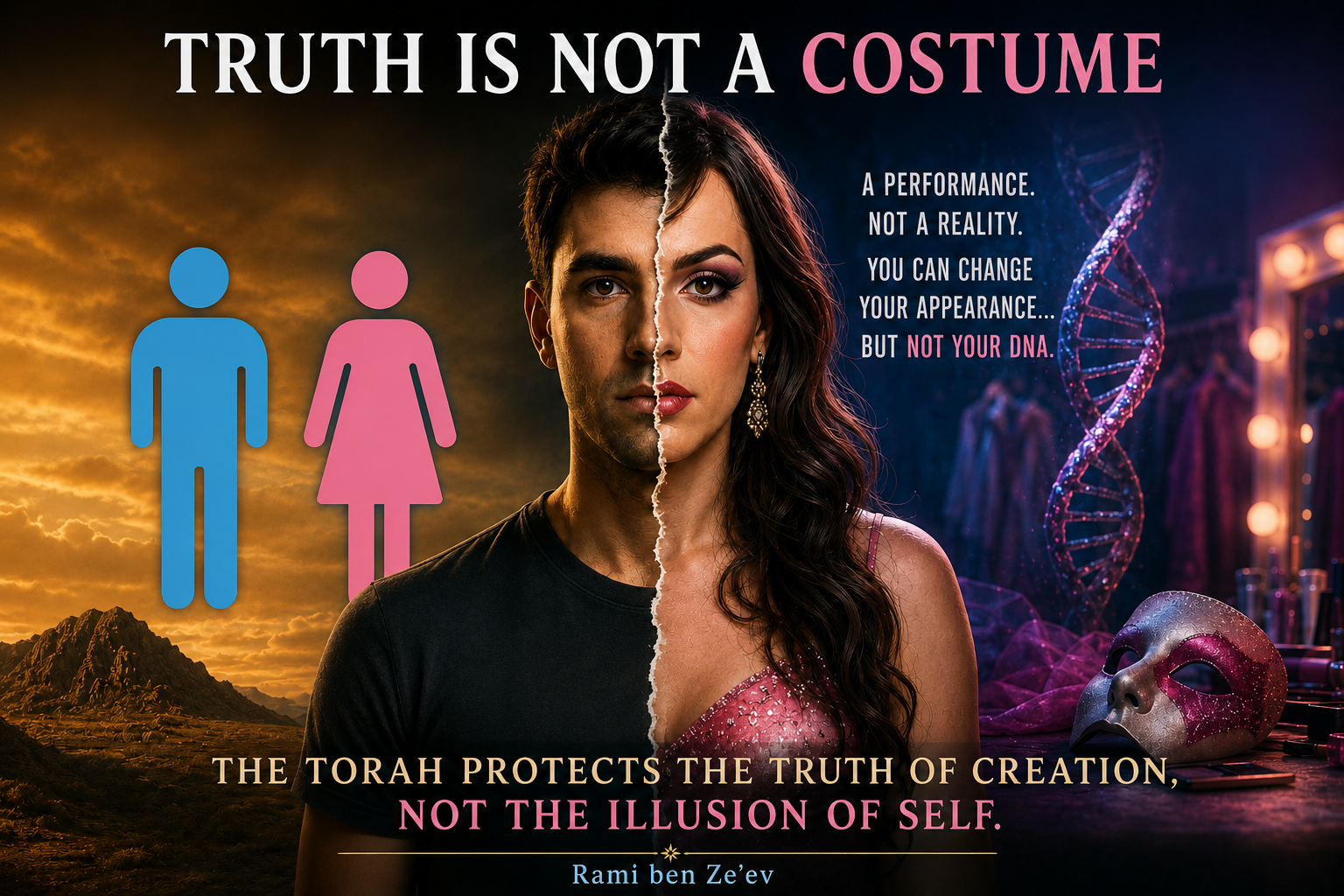
The Masquerade of Modern Identity: What Torah Teaches About Cross-Dressing and Transgenderism
Belgium’s Assault on Brit Milah Is an Assault on Jewish Life
A nation cannot claim to welcome Jews while criminalising one of the oldest and most fundamental commandments of Judaism
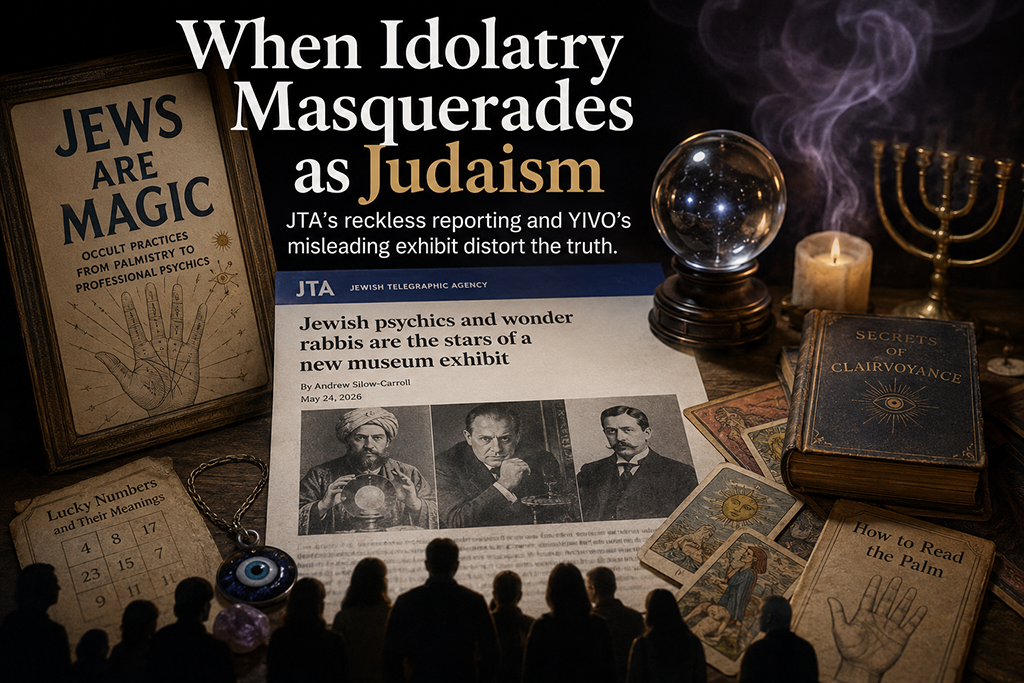
JTA’s Dangerous Reinvention of Idolatry as Judaism

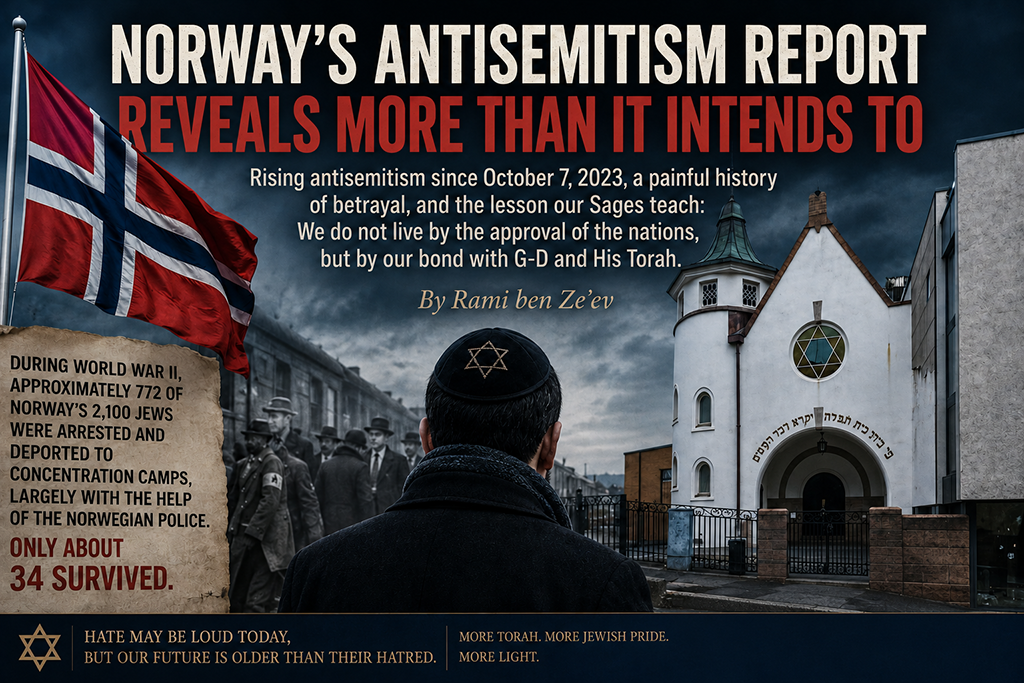
Norway's Antisemitism Report Reveals More Than It Intends To
When a Rabbi Goes Astray
Rupert Lowe Wants to “Restore Britain” — by Attacking Jews
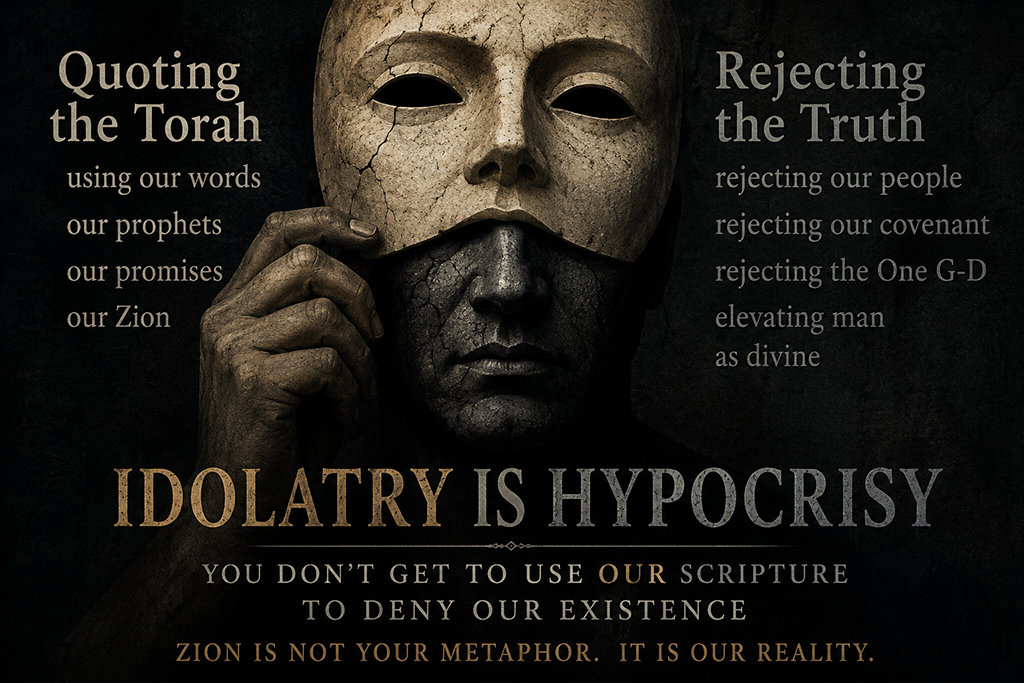
Zion Without Torah: the World’s Theft of Jewish Words While Condemning Jewish Reality
Luba Tryszynska-Frederick: The Mother Who Opened the Door at Bergen-Belsen
When Piety Becomes Performance
When Disagreement Becomes Humiliation
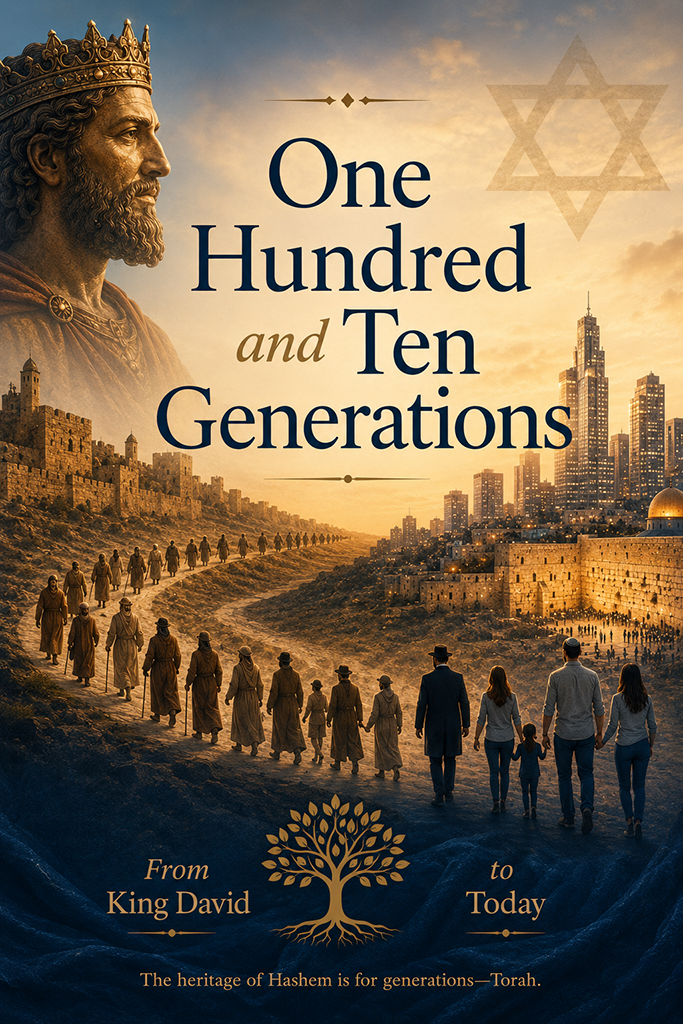
One Hundred and Ten Generations
The Days Before the Mountain
Oskar Schindler: The Nazi Who Became One of the Righteous Among the Nations
Judaism Is Not a Denomination
A Convert, Mourning, and the Torah’s Demand for Gratitude
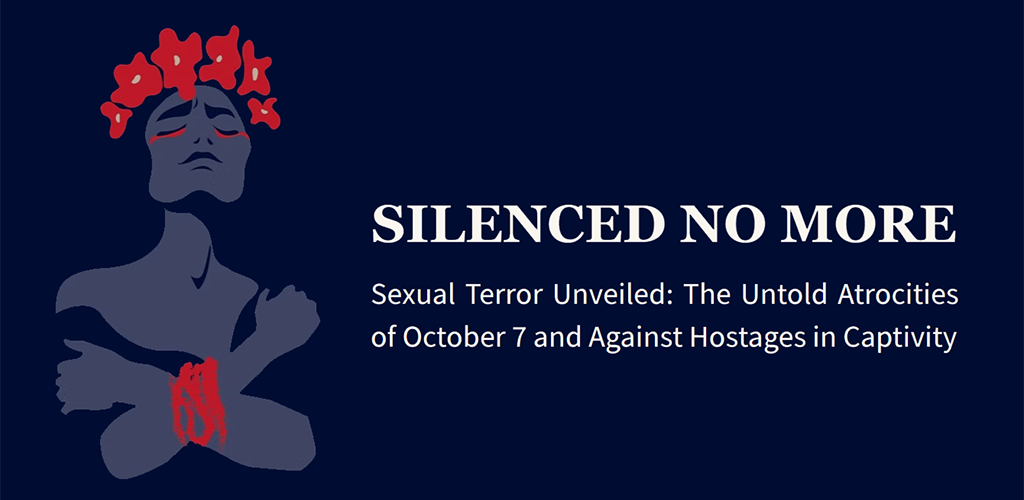
The Truth They Tried to Silence
Betting on the Future While Destroying the Present
Britain Must Not Jump from the Frying Pan into the Fire
Honouring the Torah: The Philanthropist’s Final Kindness
Do I Need to Fast Before Studying the Talmud?
Teshuvah: the Return That Cannot Be Bypassed
Meron: Where the Hidden Torah Entered the World
Why “Foreign” Words Matter
A Language Abandoned Is a Covenant Forgotten
Anger Without Torah Is Emptiness — A Community Adrift
A Nation That Stands Alone—and Therefore Endures
A Nation of Promises, A People Alone
May One Answer Amen to a Blessing Recited by One Who Desecrates Shabbat?
The Price of Misalignment: Memory, War, and the Illusion of Strength
by Ram ben Ze’ev The Price of Misalignment: Memory, War, and the Illusion of Strength Today, Israel stands still. At the sound of the siren, the nation pauses in collective remembrance for those who were killed—soldiers of the Israel Defense Forces whose lives ended in battle. The numbers are heavy: 25,644 since 1860, leaving behind tens of thousands of bereaved families. Yet numbers, as vast as they are, do not capture truth. Words do. We say “fallen soldiers,” as though they stumbled. But...
Amen Is Not a Courtesy: Guarding the Sanctity of Blessing in the Age of Social Media
What is the Halakhah Regarding Receiving a Blood Transfusion?
When Torah Loses Its Weight: the Lesson of Rabbi Akiva’s Students
The Call That Must Be Answered: Rabbi Teichtal and the End of Comfortable Exile
Shoah, Nissan, and the Memory the Nations Impose
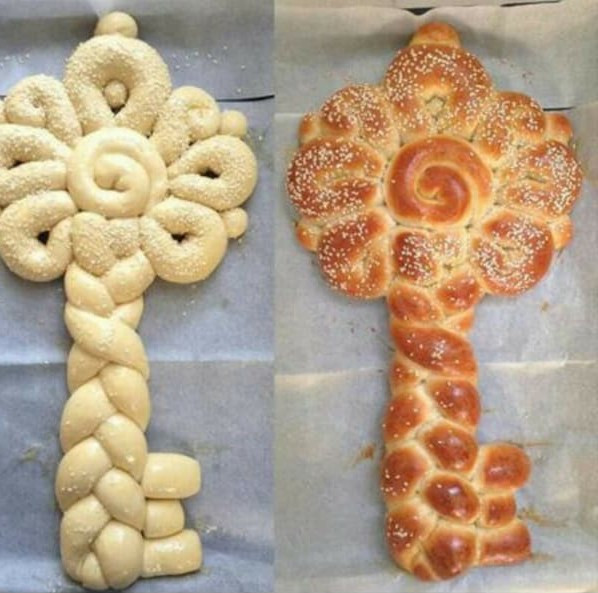
What is the Meaning Behind Schlissel Challah?
Tzedakah: Justice, Not Performance
by Ram ben Ze’ev Tzedakah: Justice, Not Performance There is a profound difference between what the world calls “charity” and what the Torah calls צדקה (tzedakah – righteousness, justice). The difference is not semantic; it is foundational. One is rooted in ego. The other in truth. The nations speak of charity as an act of kindness. It is optional, generous, even admirable. A person gives because he chooses to give, because he feels compassion, or, increasingly in our age, because he wishes...
The Lamb, The Stars, and the Illusion of Power
by Ram ben Ze’ev The Lamb, The Stars, and the Illusion of Power The Torah in שמות (Shemot) commands something extraordinary on the eve of redemption: each household was to take a lamb on the tenth of Nissan, keep it for several days, and then slaughter it on the fourteenth, placing its blood upon the doorposts. This was not a quiet act. It was deliberate, visible, and defiant. To understand this moment, we must understand the world in which it occurred. Egypt was not merely a political...
Omer Counting in Cases of Uncertainty
How G-D’s Presence Is Everywhere and Within Everything
Pesach, Not “Passover”: The Distortion of a Divine Act
Ki Tetze: When Israel Goes Out to War — Alignment, Not Assumption
Shabbat Hagadol: the Shabbat of Greatness Before Redemption
The United Nations and the Politics of Historical Guilt
by Ram ben Ze’ev The United Nations and the Politics of Historical Guilt The United Nations General Assembly has adopted a resolution declaring the transatlantic slave trade to be the “gravest crime against humanity.” While the horrors of slavery are undeniable and no moral person today would defend such a practice, the resolution itself reveals more about the modern political agenda of the United Nations than it does about historical reality. Before the vote, the United States...
Why Do We Lean at Certain Times During the Pesach Seder?
The Problem with the Term “Orthodox” in Judaism
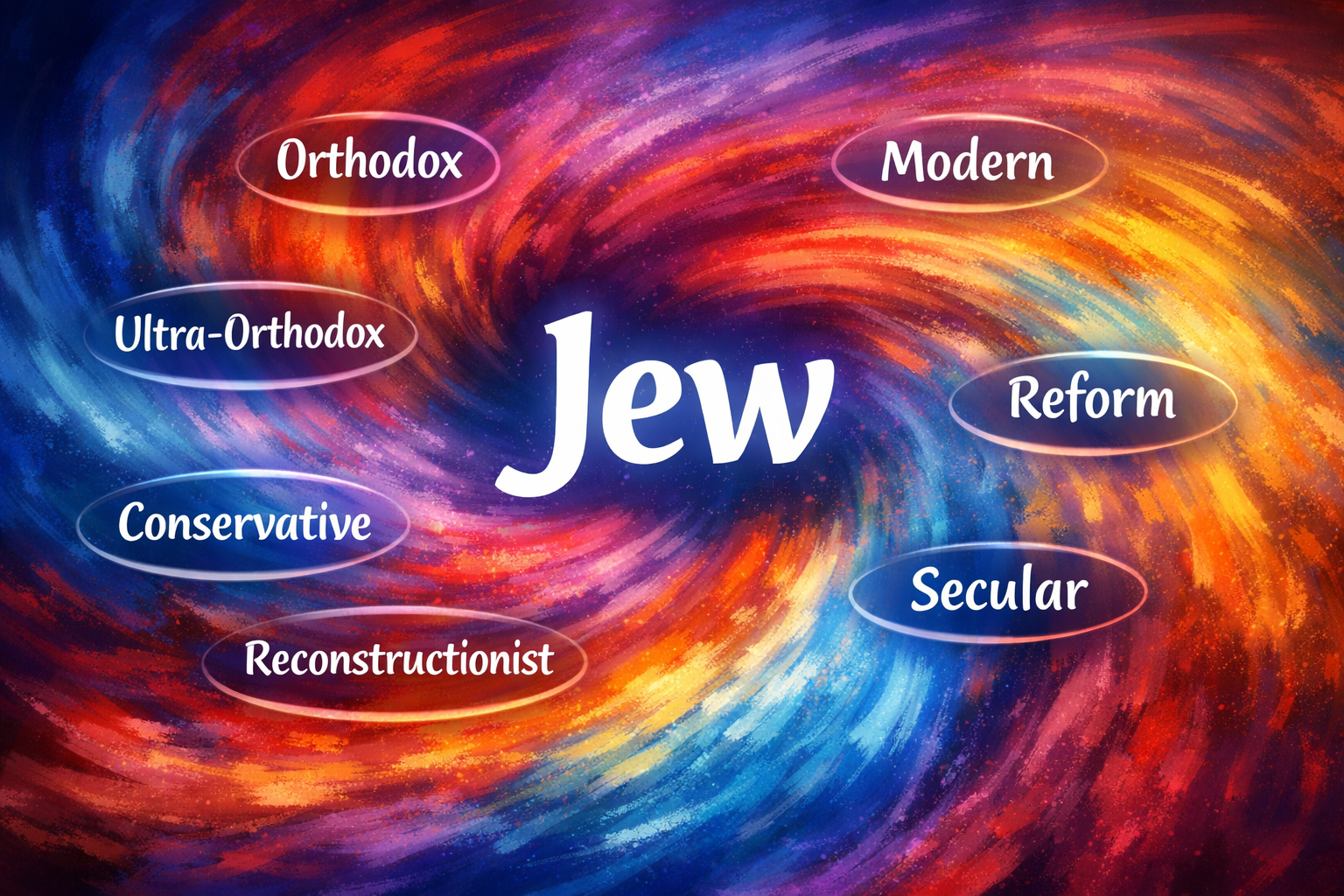
by Ram ben Ze'ev The Problem with the Term “Orthodox” in Judaism The term “Orthodox,” so commonly used today to describe traditional Jews, is not a Hebrew word and does not originate from Jewish sources. Rather, it comes from the Ancient Greek word orthodoxos , meaning “correct belief” or “right opinion.” The word itself is formed from two Greek roots: orthos , meaning “straight,” “right,” or “true,” and doxa , meaning “opinion,” “belief,” or “praise.” From a Jewish standpoint, this already...

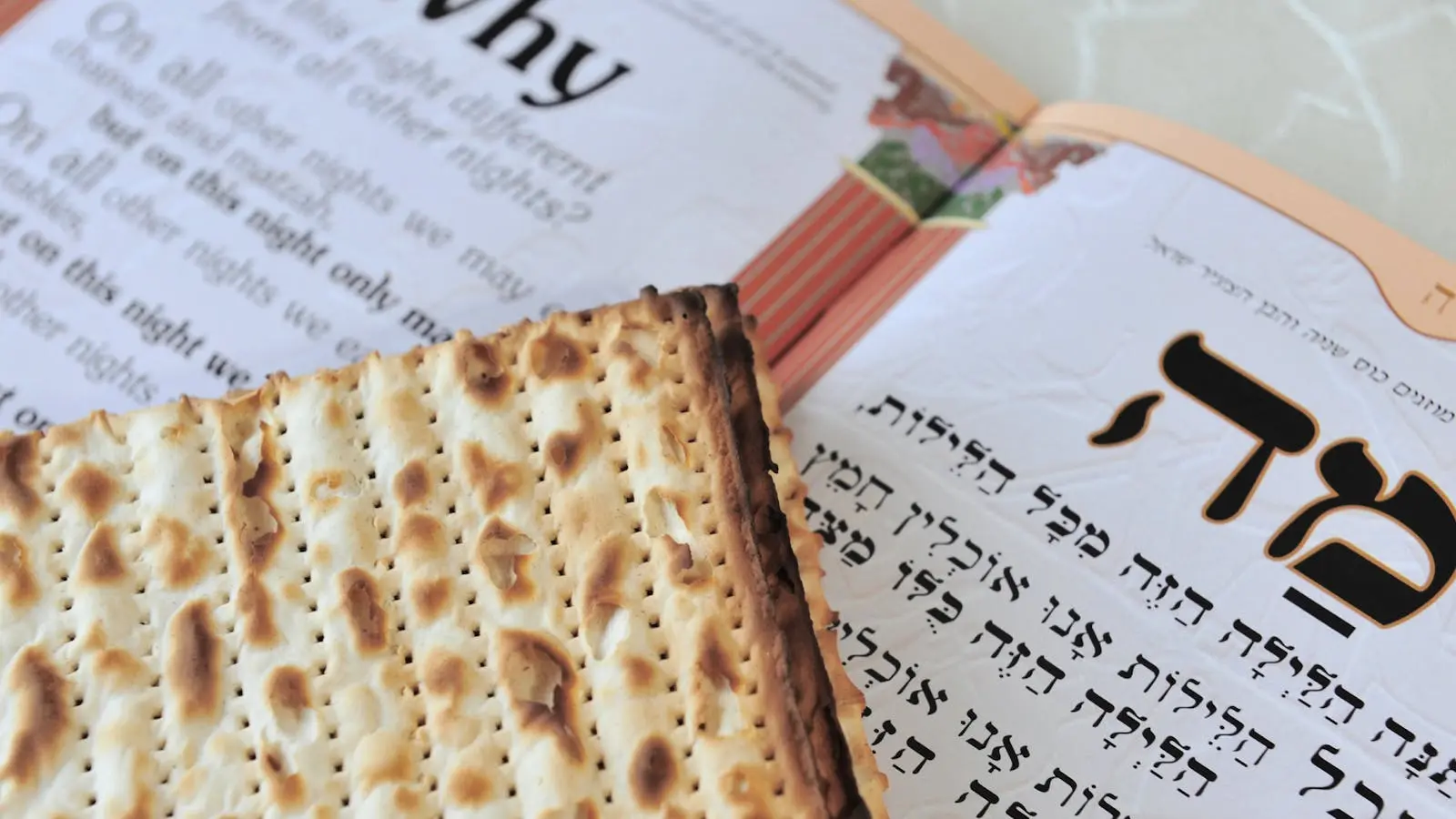
How Many Kezayit of Matzah Must Be Eaten at the Pesach Seder?
When Do We Begin Counting the Omer This Year?
You Cannot Legislate Hatred Out of the Human Heart
כאשר אדם מאמין שאינו נותן דין וחשבון לאיש
When a Man Believes He Answers to No One
by Ram ben Ze'ev When a Man Believes He Answers to No One A curious phenomenon of the modern age is the man who proudly declares that he believes in nothing higher than himself, and yet expects to be trusted with everything that matters most in life. I saw a profile description on a social media account for a Jewish man in Israel who tells the world that he is a husband and a father. These are not small titles. In the Torah understanding of life, they are among the most serious...
מלחמה זו נבחרה
This War Was Chosen
by Ram ben Ze'ev This War Was Chosen As a Jew, an American, and a fervent supporter of Israel, I write this without apology: I shed no tears for Iran. The regime in Tehran has spent decades threatening Israel, funding terror, and building a regional network dedicated to Jewish bloodshed. If Iran were to launch an unprovoked attack on Israel, I would support the destruction of its military capacity without hesitation. But that is not what this is. What I object to, strongly and without...
גשר רחוק מדי: כאשר אסטרטגיה הופכת לפזיזות
A Bridge Too Far: When Strategy Becomes Recklessness
When a Nation Forgets Its Covenant
by Ram ben Ze'ev When a Nation Forgets Its Covenant Throughout our long history, the Jewish people have faced enemies in every generation. Empires have risen against us, armies have marched against us, and rulers have sought to erase us from the earth. Yet the Torah teaches something that history repeatedly confirms: our greatest danger has never been the nations alone, but what happens when we forget who we are . From the beginning, the Jewish people were not created simply as another...
כאשר אומה שוכחת את בריתה
The Covenant Is Everything
When Power Forgets Torah
Will G-D Forgive Her?
When the Wolf Howls
Opening Our Eyes to the Hidden Miracles
When the King’s Soldiers Arrive
May a Jew Celebrate the Death of an Enemy?
Why Now? Blood, Sovereignty and the Unanswered Question
The Nobel Delusion and the Price of Blood
by Ram ben Ze’ev The Nobel Delusion and the Price of Blood For years, President Donald Trump nursed a grievance. The Nobel Committee refused to crown him as the architect of peace he so eagerly proclaimed himself to be. Throughout his first term, during the 2020 campaign, throughout 2024, and right up until the Committee awarded the Nobel Peace Prize to Venezuelan opposition leader María Corina Machado—who symbolically handed it to him—he spoke incessantly of the wars he stopped and the...
Not Us — Or Have We Forgotten?
Why Do We Send Gifts of Food to Other People on Purim?
When Scotland Remembered — and Will Remember Again
Jewish Heritage or Jewish Status? Words Matter
Bitcoin at $65,500: Cycles, Confidence, and the Question of Finality
Mazel Is Not Luck: A Call to Reject Modern Idolatry
From Screens to Souls: Reclaiming Our Emotional Priorities
חייזרים, נשיאים ואחדות השם: תשובת תורה להשערות פוליטיות
Aliens, Presidents and the Oneness of G-D: A Torah Response to Political Speculation
The Obligation to Read the Megillah: Night and Day
by Ram ben Ze'ev The Obligation to Read the Megillah: Night and Day When the month of אדר (Adar – joy-filled month) arrives, our service of G-D reaches its crescendo in the reading of the מגילה (Megillah – Scroll of Esther). This is not a custom, nor a sentimental commemoration. It is a binding obligation upon every member of כלל ישראל (Klal Yisrael – the Jewish nation): men and women alike must hear the Megillah twice — once at night and once again by day. The source of this dual reading is...