
Film Details:
Title: You Can See Everything
Original Release: 2026
Director: Nathan Fielder, Lance Oppenheim
Writer: Not separately credited (documentary)
Producer(s): Nathan Fielder, Lance Oppenheim, Tatiana Bears, Maggie Ambrose, Jack Davis
Starring: Elizabeth Holmes, Nathan Fielder, Billy Evans, Amanda Seyfried, Christopher Abbott
Running Time: 174 minutes
Genre: Documentary • Biography • Crime • Comedy
Certificate: 15 (UK)
Available On: In Cinemas
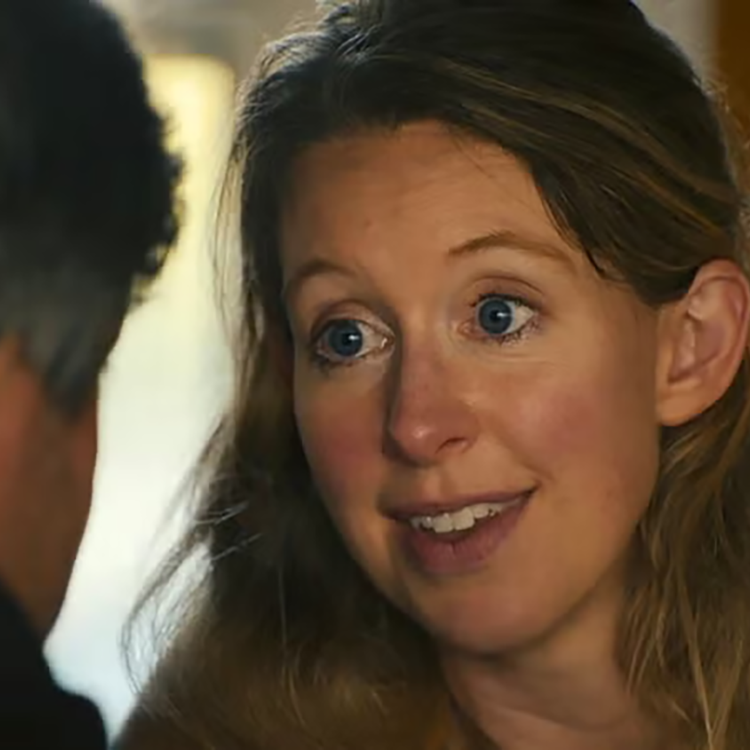
Imagine if Liz Holmes won an Oscar for Best Actress for her portrayal of herself. You could even get Amanda Seyfried to read out her acceptance speech in her place.
You Can See Everything truly does put into perspective how unusual female autism xan come off, especially with how sremingly unexplored it is in media, or even IRL. You could practically see me mouth "What the F" in the darkness of the cinema when the Abbott and Costello bit emphasised that Liz Holmes' frame of mind is akin to being an alien as she is incapable of understanding how a comedy routine works.
As the movie kept progressing, I was becoming less and less concerned with whether she is a deliberate fraud or not and I was becoming more enamoured and deeply befuddled how a person of her intellect could rationalise being in a relationship with a creature like Billy, or even her previous age-gap relationship.
I am very impressed with how Nathsn Fielder navigated this mess of a project, trying to balance the authenticity whilst trying to maintain personal contact with a subject who exits stage left a third of the way through the movie - leaving me to wonder "so what happens now..?!".
I know the hype for this movie sounds hyped up and way too ambitious but believe me there is a Nathan For You if You Can See Everything* (no female nudity since that's still Taboo unlike male nudity).
Themes: Truth • Deception • Perception • Manipulation • Accountability • Ambition • Self-Delusion • Reality
Verdict:
★★★★★
Worth Watching? Yes. Nathan Fielder and Lance Oppenheim deliver an unconventional and thought-provoking documentary that transcends the familiar story of Elizabeth Holmes and the collapse of Theranos. Blurring the boundaries between documentary and dramatisation, the film challenges audiences to question not only the credibility of its subjects but also the reliability of the medium through which their stories are told.
Final Thought: Being permitted to see everything does not necessarily bring us any closer to the truth, particularly when those revealing it are also controlling what we see.
After the Credits is an Opinion feature of the Jewish Dispatch.