
Operation Madre Tierra VIII, held from 16 July to 31 July 2026 and coordinated by Interpol, dismantled environmental crime networks operating on an industrial scale along the corridor connecting Central and South America. The international operation targeted illegal timber trafficking across nine countries: Colombia, Costa Rica, the Dominican Republic, El Salvador, Guatemala, Honduras, Mexico, Nicaragua and Panama. It resulted in 233 arrests, the recovery of 1,000 animals and the identification of areas of illegally cleared forest.
More than 330 cases were reported by these nine countries, and the operation recorded 312 individuals suspected of involvement in environmental crimes, 313 seizures, including up to 4.6 tons of cyanide, along with mercury and ammunition. Agencies are tracing payments and identifying the companies and properties used to conceal criminal activities across borders. By linking these findings across jurisdictions, they gain a clearer picture of how these networks operate, how far they reach, and exactly who is involved.
Following the money- whether from an illegal gold mine in Panama to buyers in North America, Europe, or Asia - helps a case move beyond the people physically harvesting timber, handling animals, or extracting gold and instead focuses on the companies that finance, manage, and profit from the trade. One of the clearest examples of this approach came in the 2025 Madre Tierra Operation, when Colombian authorities requested INTERPOL support in an investigation into 11 foreign companies identified as suspects in industrial-scale deforestation. The network was suspected of clearing more than 52000 hectares of protected forest in the Amazon basin, equivalent to approximately 73000 football fields.
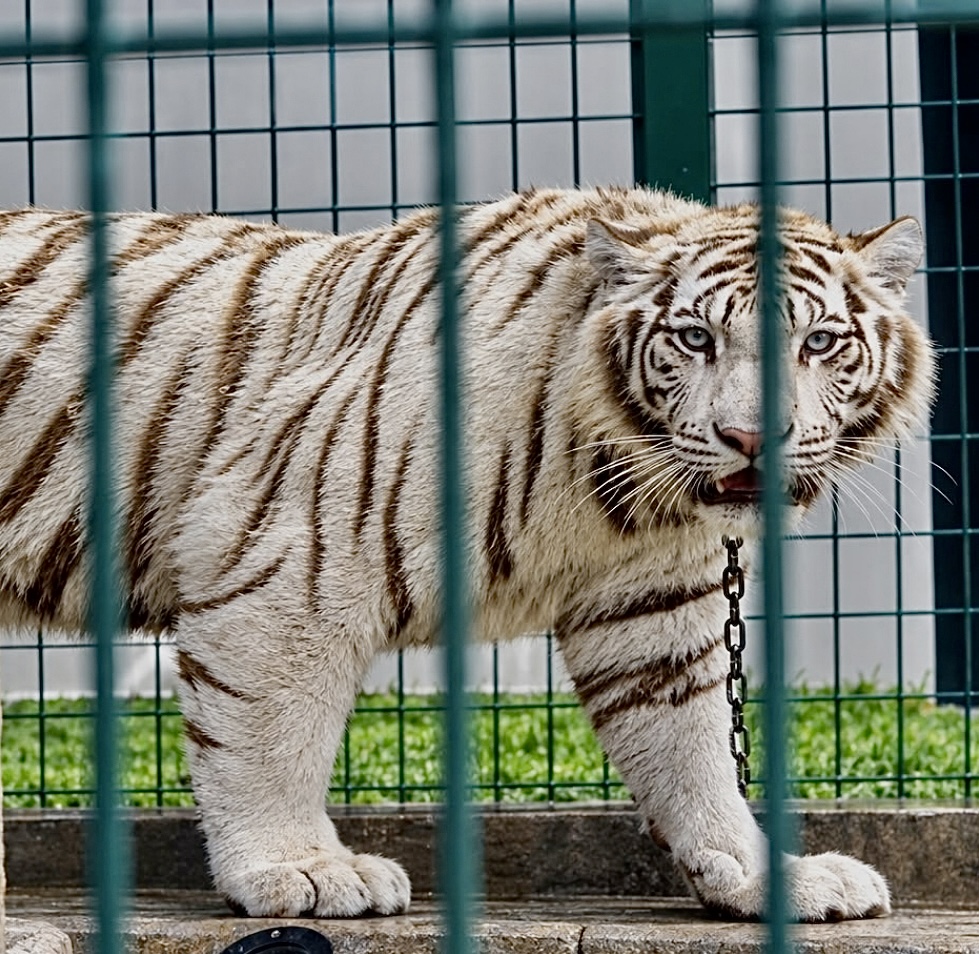
Across the region, reptiles, including pythons, rare insects, and exotic birds, made up most wildlife recoveries. About 165 kilograms of dried shark fins, with an estimated value of US$280000, were also seized. Mexican authorities recovered several big cats along routes commonly used by criminal networks to move narcotics and other illicit commodities. Among the animals seized were two endangered Bengal tigers, one of them a rare white tiger, as well as lions, ocelots and jaguars.
According to Thomas Ungerbuehler, Assistant Director of Environmental Security at INTERPOL, these cases reflect transnational crime, with biodiversity-rich countries increasingly targeted as sources of high-value commodities for illicit markets around the world. They also highlighted the importance of sustained international cooperation to identify, disrupt, and dismantle the criminal network driving this trade and threatening global biodiversity.