
A person who seeks to abuse a child should be identified, investigated and, where the evidence warrants it, prosecuted. That is the starting point. My objection is to turning that work into a spectacle.
Chris Hansen’s To Catch a Predator made an encounter with an alleged offender into a television format: the concealed cameras, the confrontation, the moment of recognition and the anticipated humiliation. Hansen has continued making programmes built around similar investigations, including Takedown with Chris Hansen. The format has also inspired many online imitators who film their own confrontations for an audience.
I do not doubt that some investigations uncovered serious conduct. Nor would I dismiss a prosecution because an adult was communicating with a decoy rather than a child. Someone who believes they are arranging to abuse a child must be taken seriously. But an arrest is not a conviction, and a conviction is not proof that broadcasting the encounter made anyone safer. The figures sometimes repeated about hundreds of arrests and far fewer convictions need careful sourcing; I would not treat them as a complete measure of the programme’s success.
The case of Louis Conradt should have forced a reckoning with the format itself. Conradt, a Texas prosecutor who had not gone to the staged meeting, died by suicide as police came to his home during an operation involving an NBC crew that included Chris Hansen.
A $105 million lawsuit brought by Conradt’s sister was settled out of court. None of the men arrested during the programme’s sting operation in Murphy, Texas, were prosecuted. In allowing parts of the lawsuit to proceed, a judge said a jury could find that tactics had been used to increase the entertainment value of an arrest. That was a possibility raised in a ruling, not a final finding against Hansen or NBC. It remains a grave question for anyone who makes a public confrontation part of an investigation.
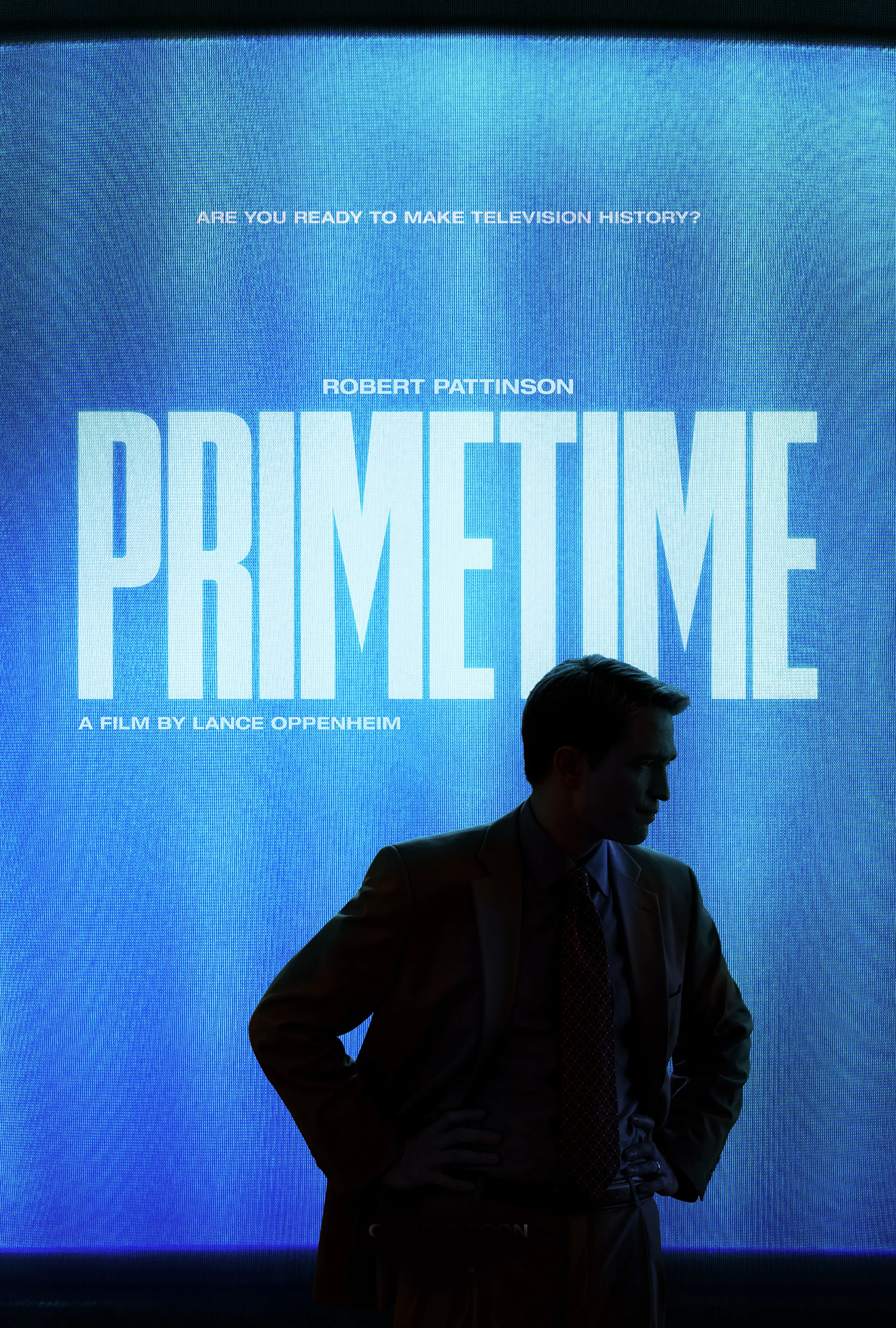
The new film Primetime, with Robert Pattinson playing Hansen, returns to that question through a dramatisation of the programme and its consequences. It builds towards Conradt’s death and asks us to consider whether Hansen’s presence changed anything for the better. The film cannot establish that answer as a matter of fact, and its portrayal should not be mistaken for a documentary. Hansen has rejected it; reports that he gave it a “D” refer specifically to Pattinson’s performance, rather than a grade for the film as a whole. Because it is a dramatisation, we cannot not verify the precise wording of the closing dialogue, but the question the ending raises is the question I would put to Hansen himself: what did the cameras accomplish that a properly conducted, private investigation could not?
The question is even sharper for the YouTube imitators. A camera, an audience and the prospect of another successful upload create incentives of their own. The person conducting the sting becomes a character; the confrontation becomes the climax; the alleged danger to children becomes the premise that keeps viewers watching. Whatever a creator’s private motives may be, that structure rewards exposure.
There is a further question we cannot honestly answer with a montage of arrests. What does repeated publication do to viewers who are susceptible to this behaviour? Could the material excite some of them, or teach others how a decoy operation works? I cannot claim that a particular programme caused anyone to offend. Equally, those who publish these encounters cannot assume that the only possible effect is deterrence. Putting the exchanges, images and methods before a mass audience online deserves scrutiny, especially when a recording can circulate indefinitely.
If Hansen or another so-called ‘investigators’ could obtain private funding to gather evidence responsibly, preserve it and pass it to the appropriate authorities without making the encounter public, I would view that effort differently. Police and safeguarding professionals would need to direct decisions about immediate risk, evidence and any public warning. The aim would be to protect potential victims and support a sound investigation.
That is the test I would put to every programme and every self-appointed predator hunter: would you still do this work if there were no episode, no upload, no audience and no public recognition? If the answer is yes, then take your evidence to those responsible for acting on it instead of making an upload. If the cameras and the crowd are essential to the enterprise, you should stop pretending that the enterprise is about protecting children. It is about commercial exploitation and your ego.